
AI Cost Simulator: The Hidden Cost of Developing AI-Powered Projects
What nobody tells you about AI infrastructure and how we engineered a tool to take back control and improve efficiency.
What our AI Cost Simulator does
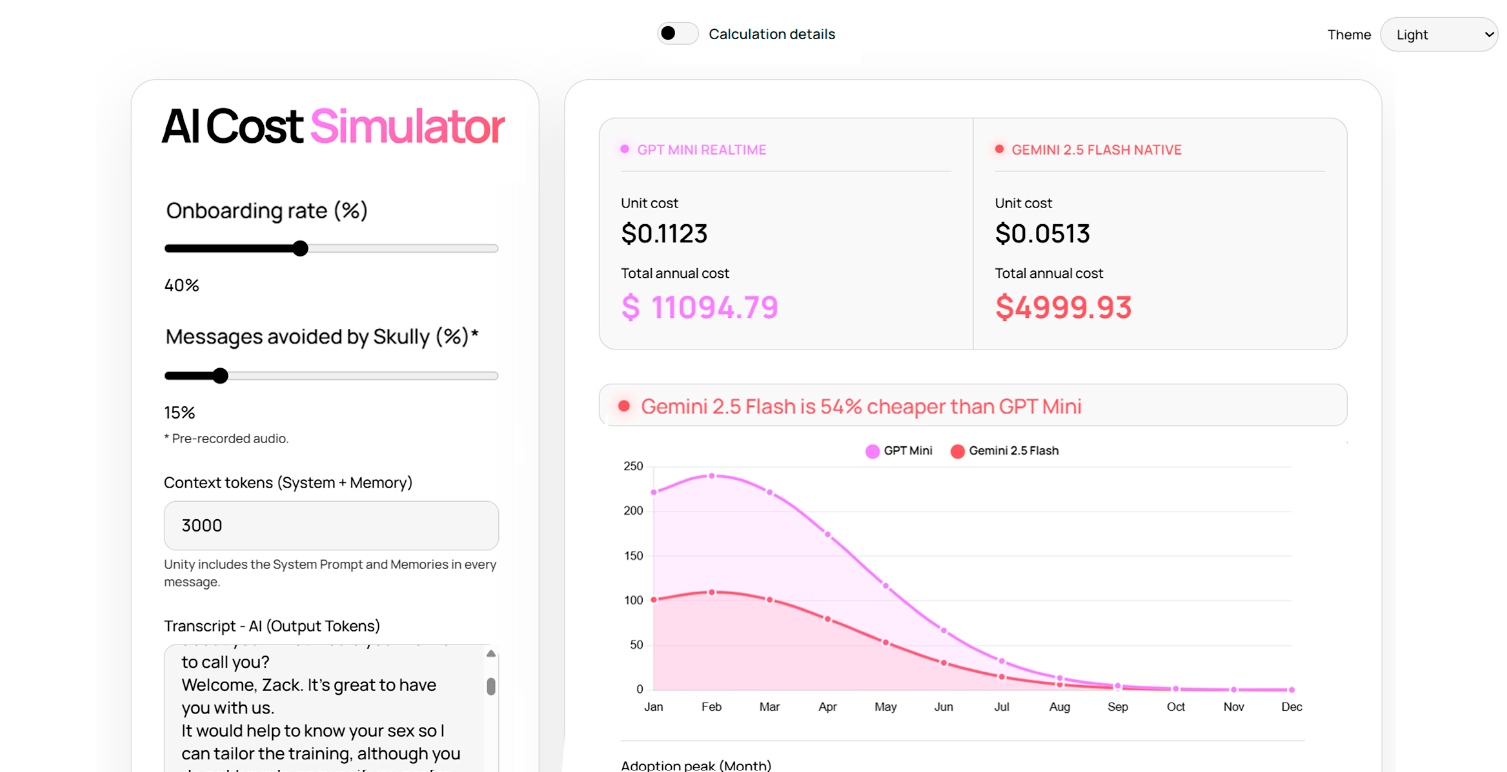
Our custom AI Cost Simulator is built around the real inputs of an AR hardware business: annual glasses sales, onboarding conversion rate, and the context token load per session, including system prompt and memory. From those parameters, it models total annual AI cost per model and surfaces the delta between options so teams can make informed infrastructure decisions before they are locked in.
- Real-time model cost comparison
- Token consumption modeling by onboarding rate and hardware sales volume
- Scenario simulation for different sales projections and growth stages
- Infrastructure decision support grounded in the actual variables of your product
Building with AI is exciting. It is also, if you are not careful, quietly expensive in a way that compounds until it becomes dangerous. The promise is always the same: deploy a model, connect the API, watch your product come to life. What is rarely discussed is what happens when your hardware is shipping, your onboarding rate is climbing, and your token bill is doing the same, only faster.
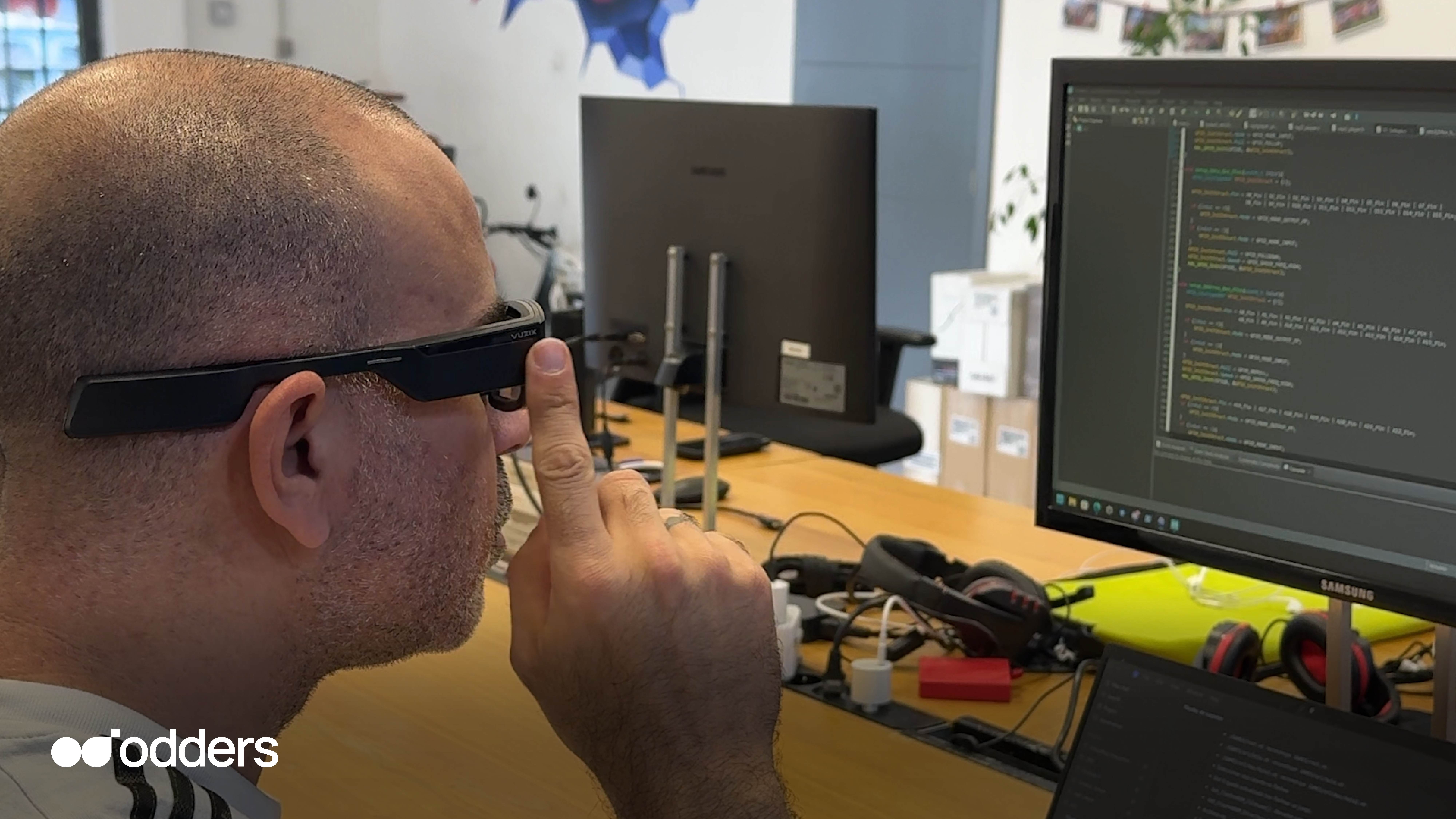
We lived this directly while building Oddy, our AI fitness agent, and even more acutely when we began engineering the AI layer behind our AR glasses onboarding experience. That work changed how we think about AI infrastructure entirely.
The Problem Nobody Budgets For
AR glasses are a physical product. They have a sales volume, a unit count, and a conversion rate of users who actually complete onboarding. Every one of those users triggers a sequence of AI interactions: device recognition, spatial calibration, guided setup, personalized first-session configuration. Each step has a token cost, and unlike a SaaS subscription, you cannot easily predict it from a simple spreadsheet.
Every input and output is metered in tokens. Flagship models charge between $2 and $15 per million tokens depending on input versus output, with premium reasoning models reaching significantly higher rates (Redis / LLM Token Optimization, 2026). That sounds manageable in isolation. But, for example, with 10,000 glasses sold annually and a 75% onboarding rate, you are looking at 7,500 AI-driven sessions per year, each consuming thousands of tokens in context, system prompts, and memory. AI implementation costs are frequently underestimated by a factor of three to five (NerdLevelTech / AI Costs 2026).
That gap shows up precisely when a product is beginning to work.
Why We Built the AI Cost Simulator
When developing the onboarding flow for our AR glasses, we needed to answer a specific question that no existing tool could: given our expected sales/downloads volume and onboarding rate, what will this AI system actually cost to run, and which model should power it? There was no tool that did this clearly. So we built one.
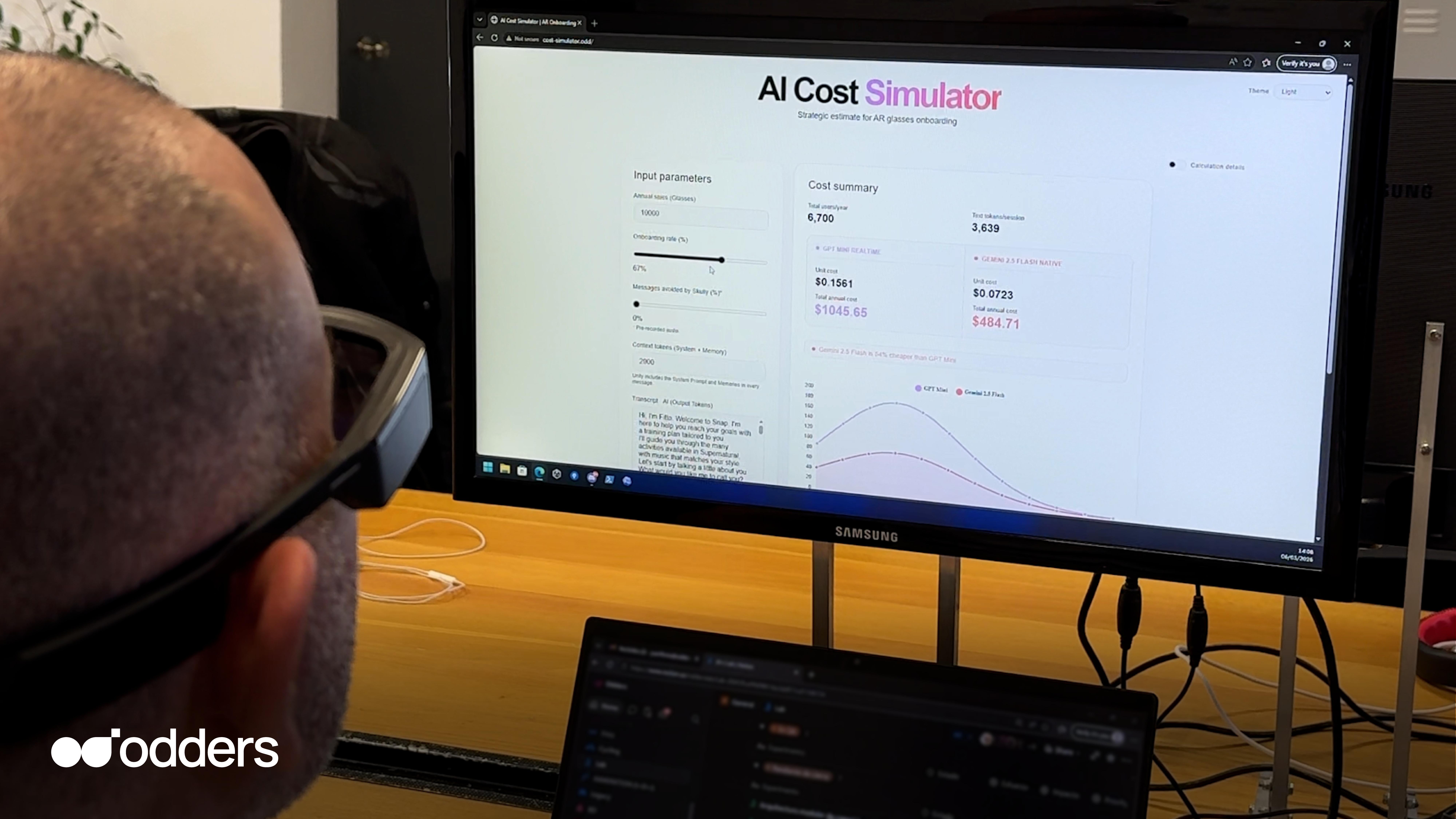
The AI Cost Simulator takes the real variables of an AR hardware product, annual unit sales, onboarding conversion rate, context tokens per session including system prompt and memory and translates them into a direct cost comparison across models. The goal was never to spend less on AI. The goal was to spend intentionally and efficiently. And that’s exactly what we’ve achieved, through real-world testing in which we reduced token costs by up to 61% without compromising quality or functionality.
The Cost Behind the Ambition
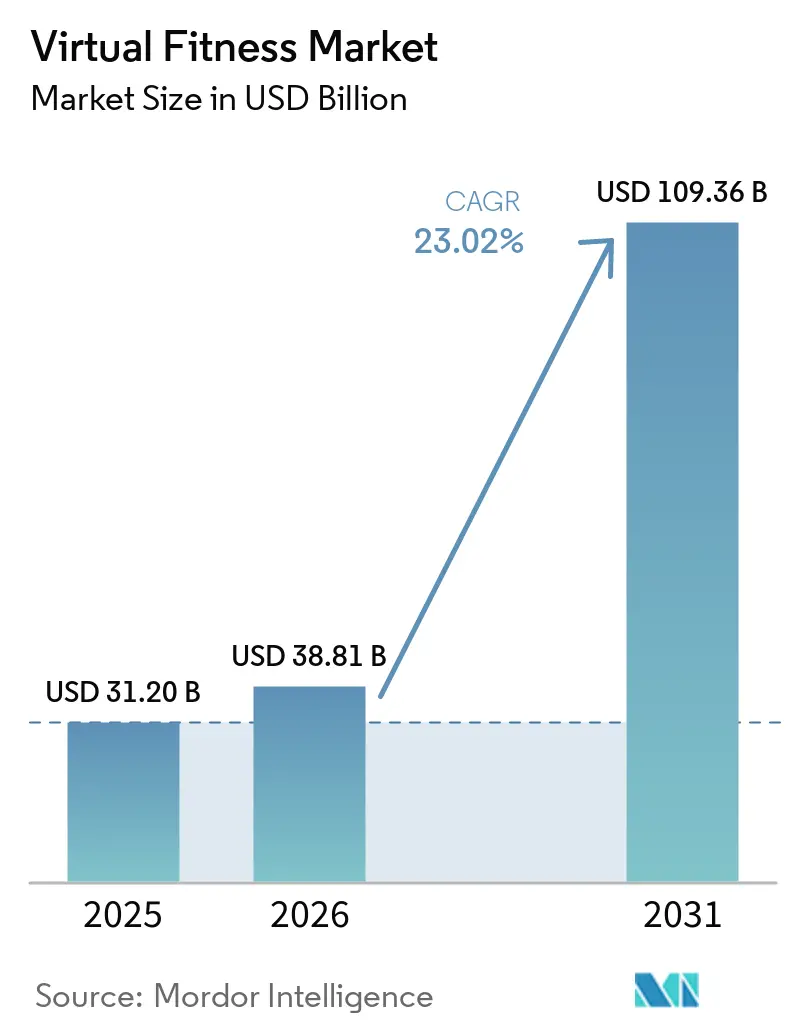
The immersive fitness and AR training space is growing at a pace that makes these infrastructure decisions genuinely consequential. The virtual fitness market stood at $31.2 billion in 2025 and is forecast to reach $93.7 billion by 2030, with VR and AR adoption growing even faster at a 26.5% CAGR (MordorIntelligence / Virtual Fitness Market, 2025). Meanwhile, 64% of fitness app users already prefer AI-generated personalized plans over generic ones (WiFiTalents / AI in the Fitness Industry, 2026). Personalization is no longer a feature. It is the expectation.
Traditional home workouts suffer dropout rates exceeding 50% within three months (QYResearch / VR Exercise Games Market, 2026). AR fitness experiences are being built precisely to solve that problem, but they are complex, hardware-tied systems where the AI runs from the very first interaction. A poorly designed onboarding is not just a UX problem. It is a cost problem that scales with every unit sold.
Efficiency Is a Strategic Advantage
The next generation of AR fitness products will not be built by the teams with the biggest budgets. They will be built by the teams that understand the full cost structure of their product, who know not just what a model can do, but what it costs to run it across thousands of real hardware sessions, at the specific onboarding rates their sales projections imply. Controlling your costs means controlling your roadmap. And controlling your roadmap is what building a category-defining product actually requires.
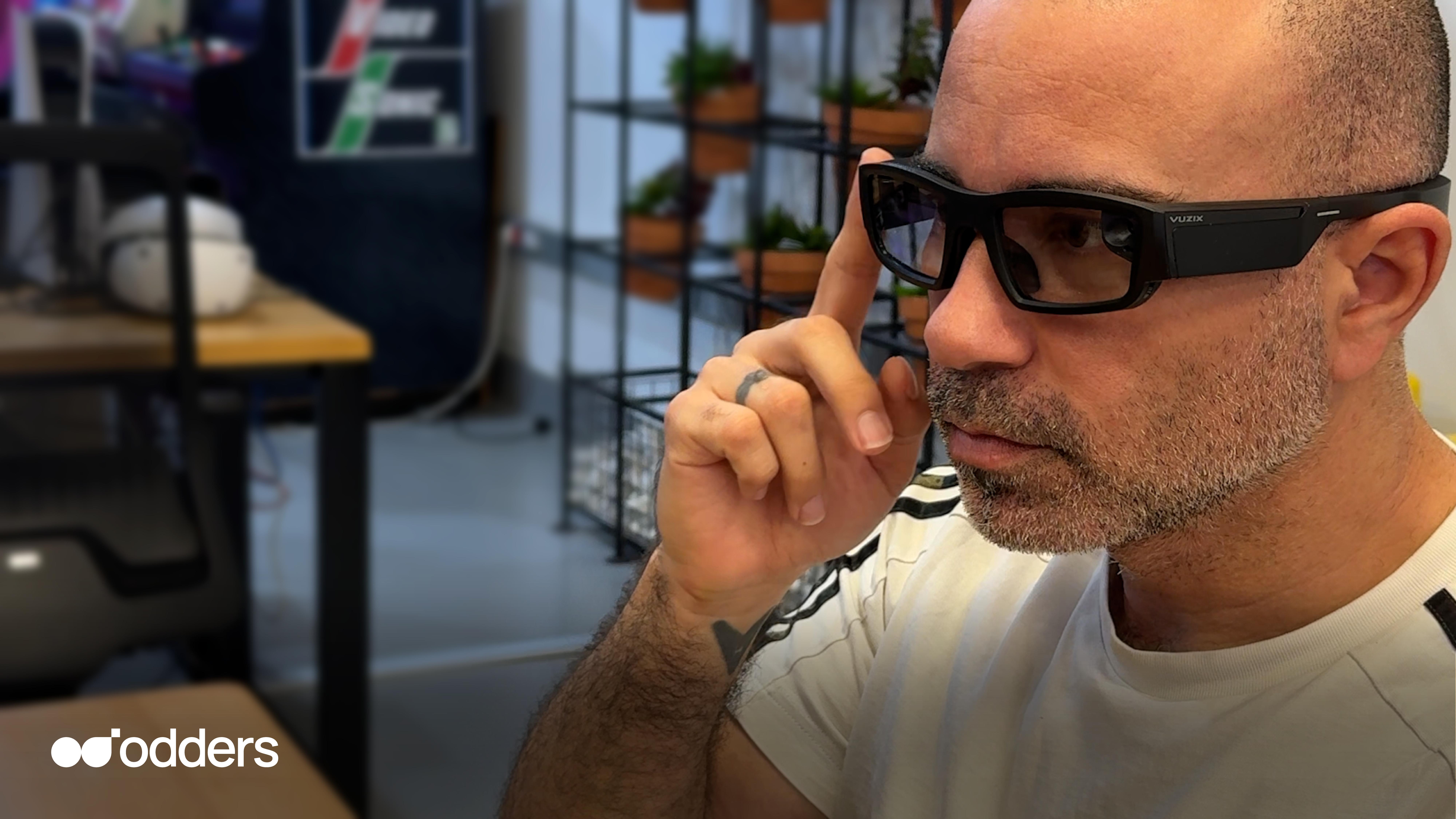
Explore our full innovation line at Hey Oddy!
What we're exploring now
Ongoing insights across Odders innovation, culture and projects.
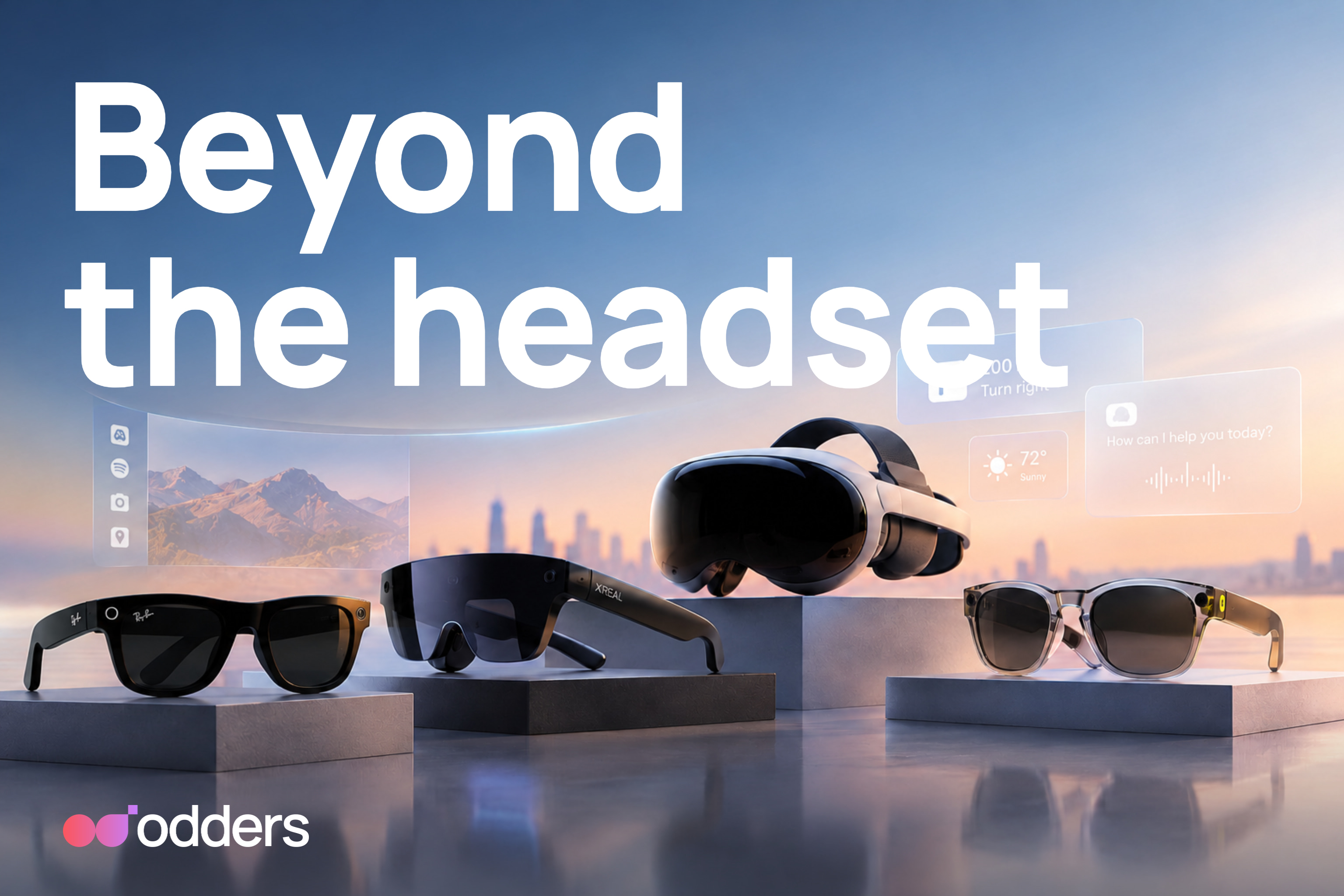
Beyond the Headset: The Next Chapter of XR Is Taking Shape
Something is shifting in XR. The industry is getting closer to making extended reality something we use every day—not just something we experience.
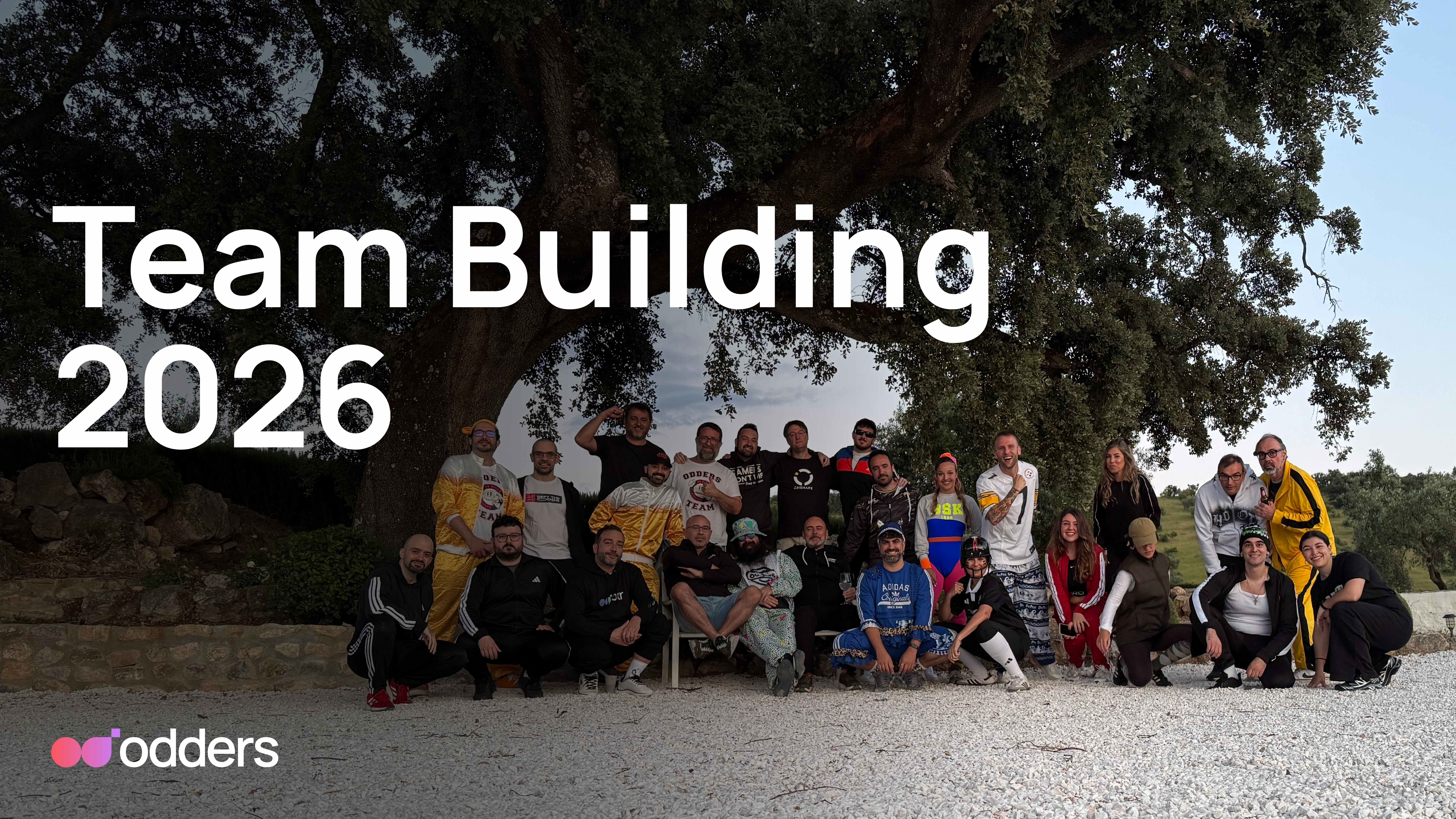
Culture Happens When People Come Together
What happens when a fully remote team leaves their screens behind? More than any agenda could have planned for.
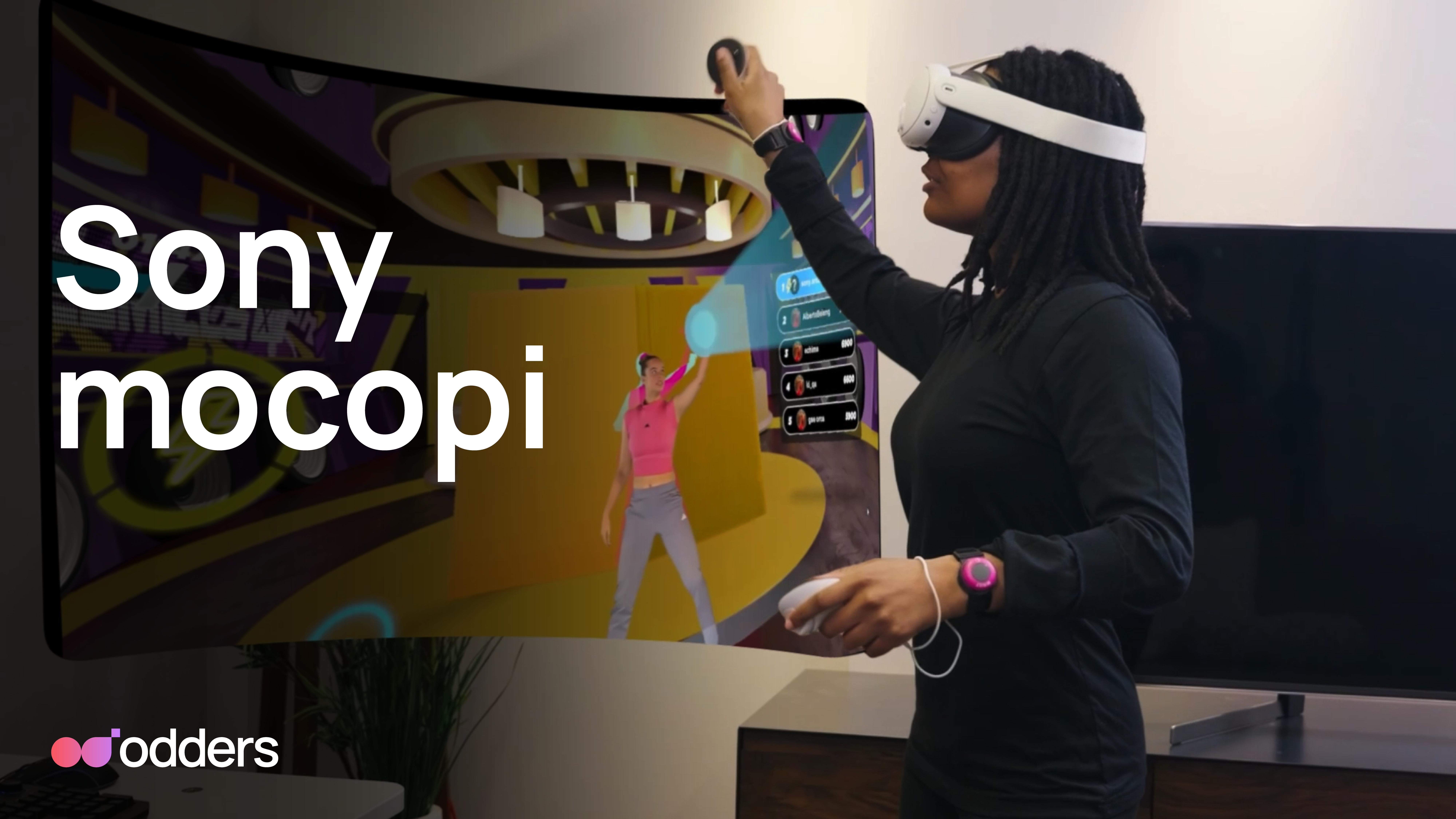
Sony x Odders: How we brought full-body tracking into LES MILLS XR DANCE
In collaboration with Sony, we integrated Sony mocopi into LES MILLS XR DANCE. Here's what it took, what it unlocked, and why it matters for the future of immersive training.