
Sony x Odders: How we brought full-body tracking into LES MILLS XR DANCE
In collaboration with Sony, we integrated Sony mocopi into LES MILLS XR DANCE. Here's what it took, what it unlocked, and why it matters for the future of immersive training.
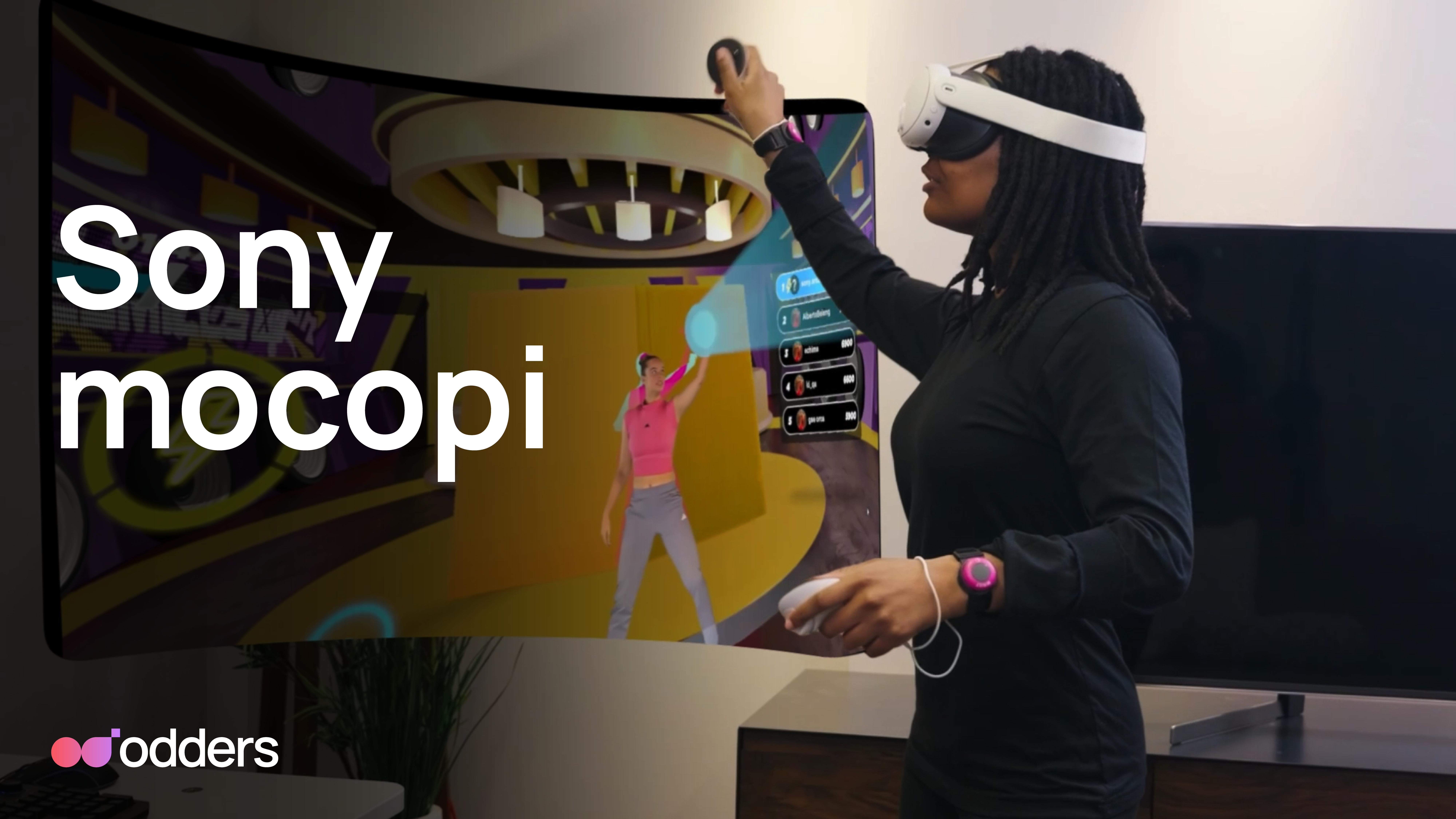
Sony mocopi are small, lightweight wearable sensors attached to key points on the body: wrists, ankles, hips, and head. Together, they reconstruct full-body movement in real time, capturing posture, footwork, weight shifts, and coordination at a level of accuracy that controller-only systems cannot reach.
Immersive fitness works best when the technology understands how people actually move. In many VR experiences, interaction is limited to the headset and controllers, which is enough for some activities. For a dance & fitness game, this changes the entire proposition. As Sony notes in their documentation of this integration, full-body motion capture allows players to see more of their real movement reflected naturally inside the virtual environment, from stance adjustments to athletic transitions, rather than only tracking hand gestures. Every squat, every step, every choreography cue is tracked and reflected. The body stops being a passive spectator and becomes the primary input.
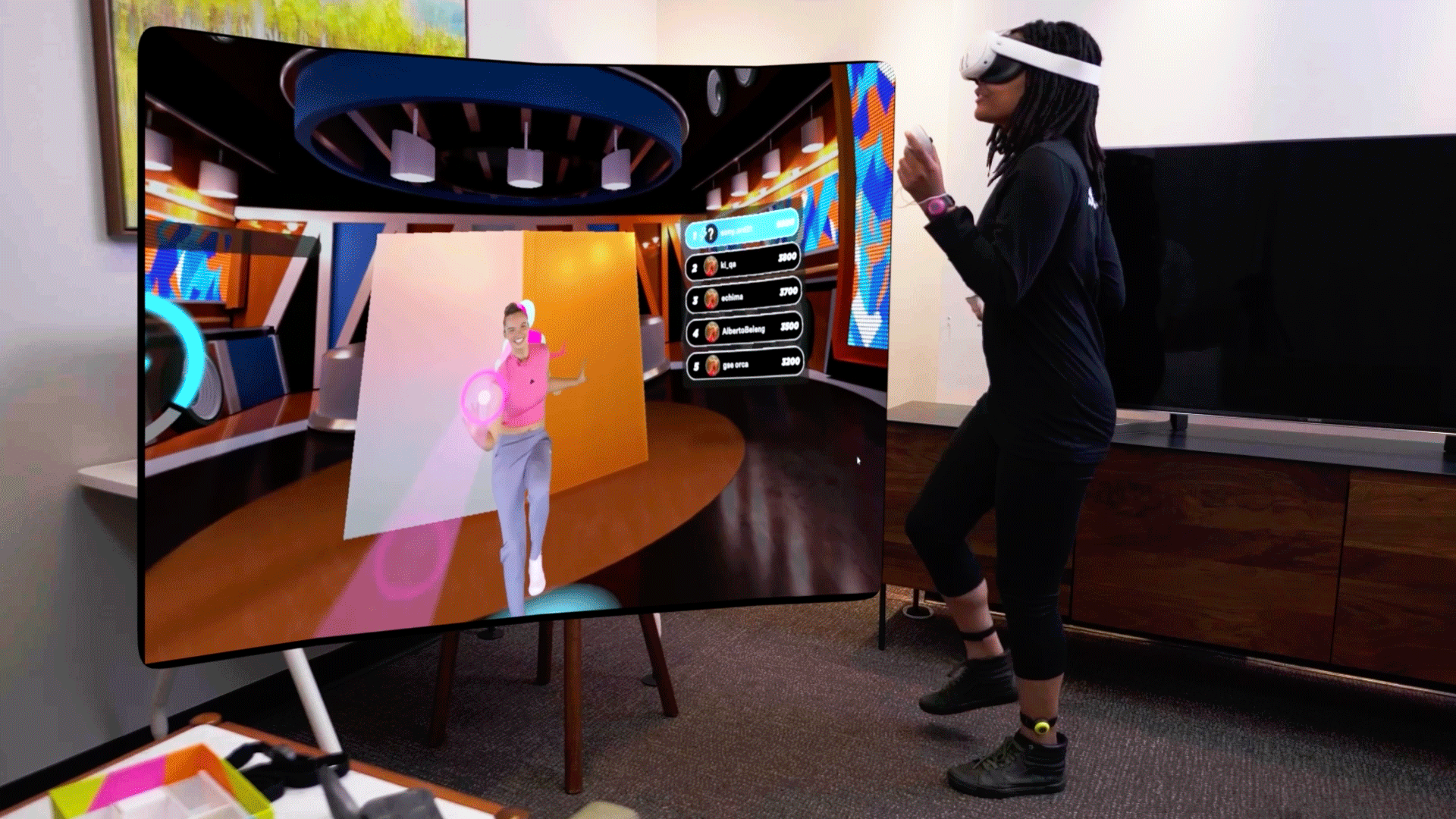
Dance relies on posture, footwork, balance, coordination and rhythm. To bring more of that physical reality into LES MILLS XR DANCE, we integrated Sony mocopi full-body tracking system into the experience on Steam. For Odders, this was more than adding support for a new device. It meant connecting Sony's motion capture technology with Les Mills' fitness expertise and turning both into a seamless XR workout.
Bringing more of the body into the experience
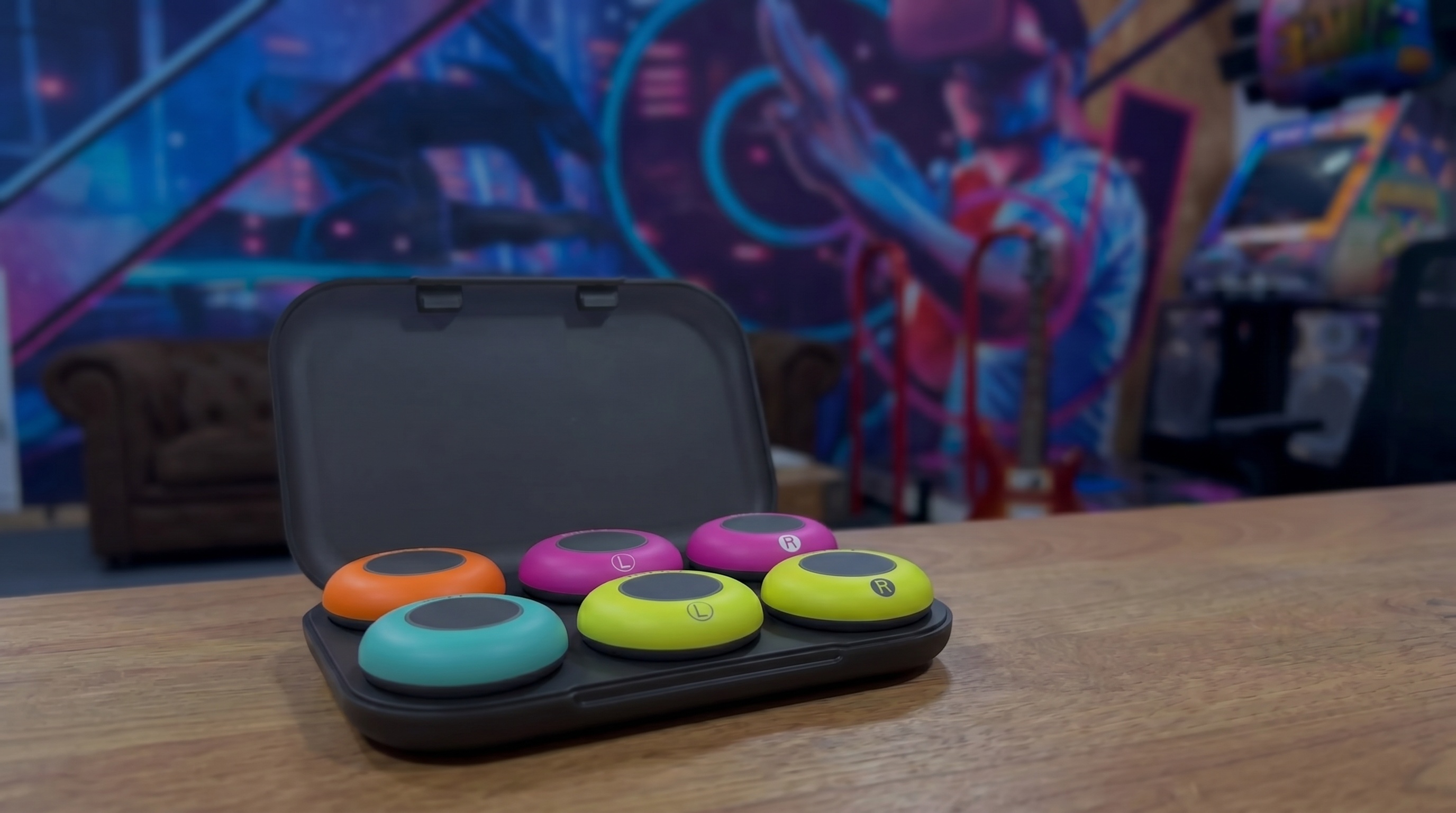
LES MILLS XR DANCE is built around movement, music and choreography. The goal is to help users learn and enjoy dance-based workouts while staying active and engaged. With mocopi, the experience can capture much more than hand movements. The sensors track body position, posture and lower-body movement, allowing players to see more of their real actions reflected in the virtual world.
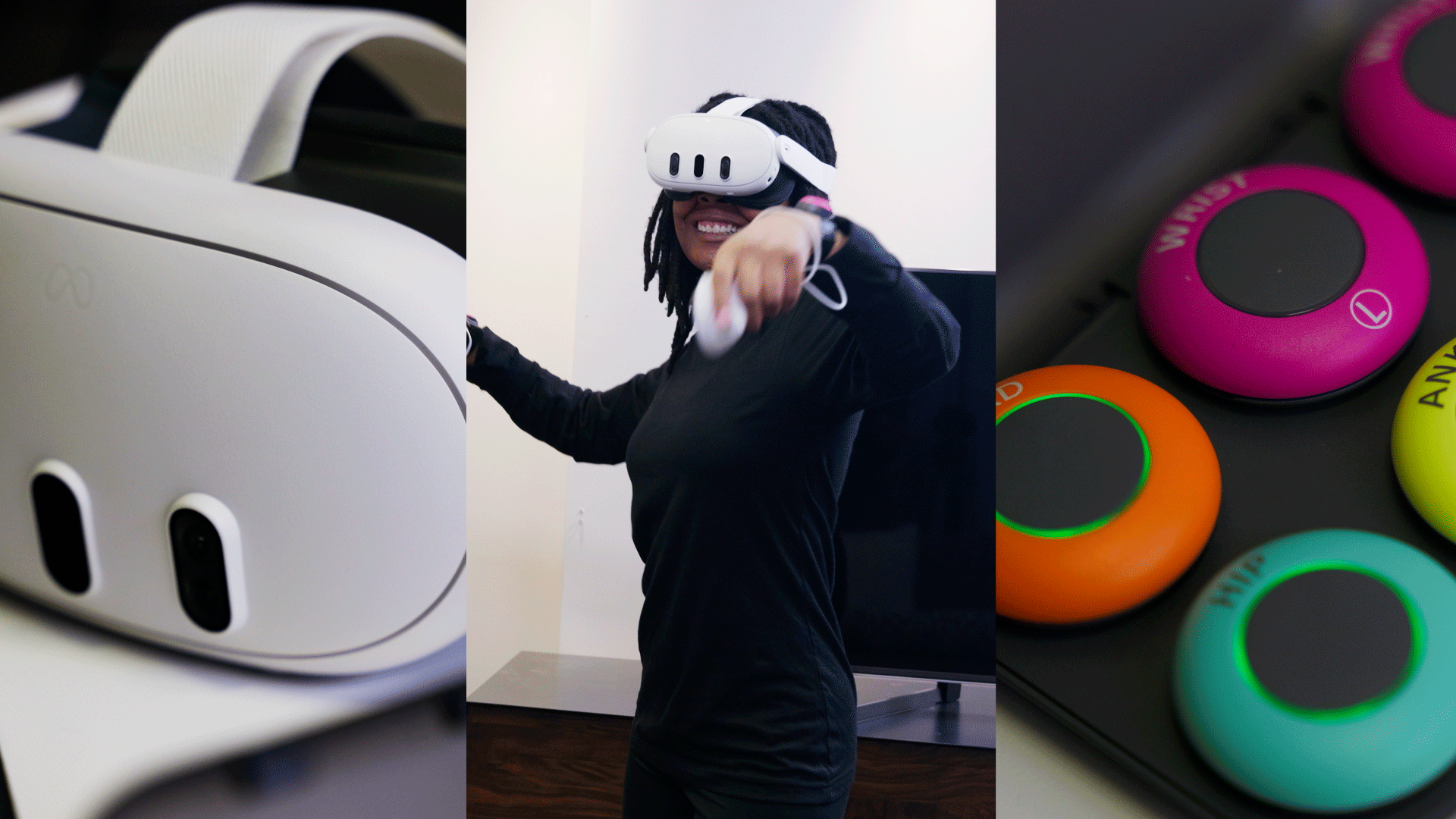
The result is a stronger connection between effort and feedback. Instead of focusing mainly on controller input, the experience can respond to a wider range of physical movement, making dance feel more natural and immersive.
Turning motion capture into a fitness experience
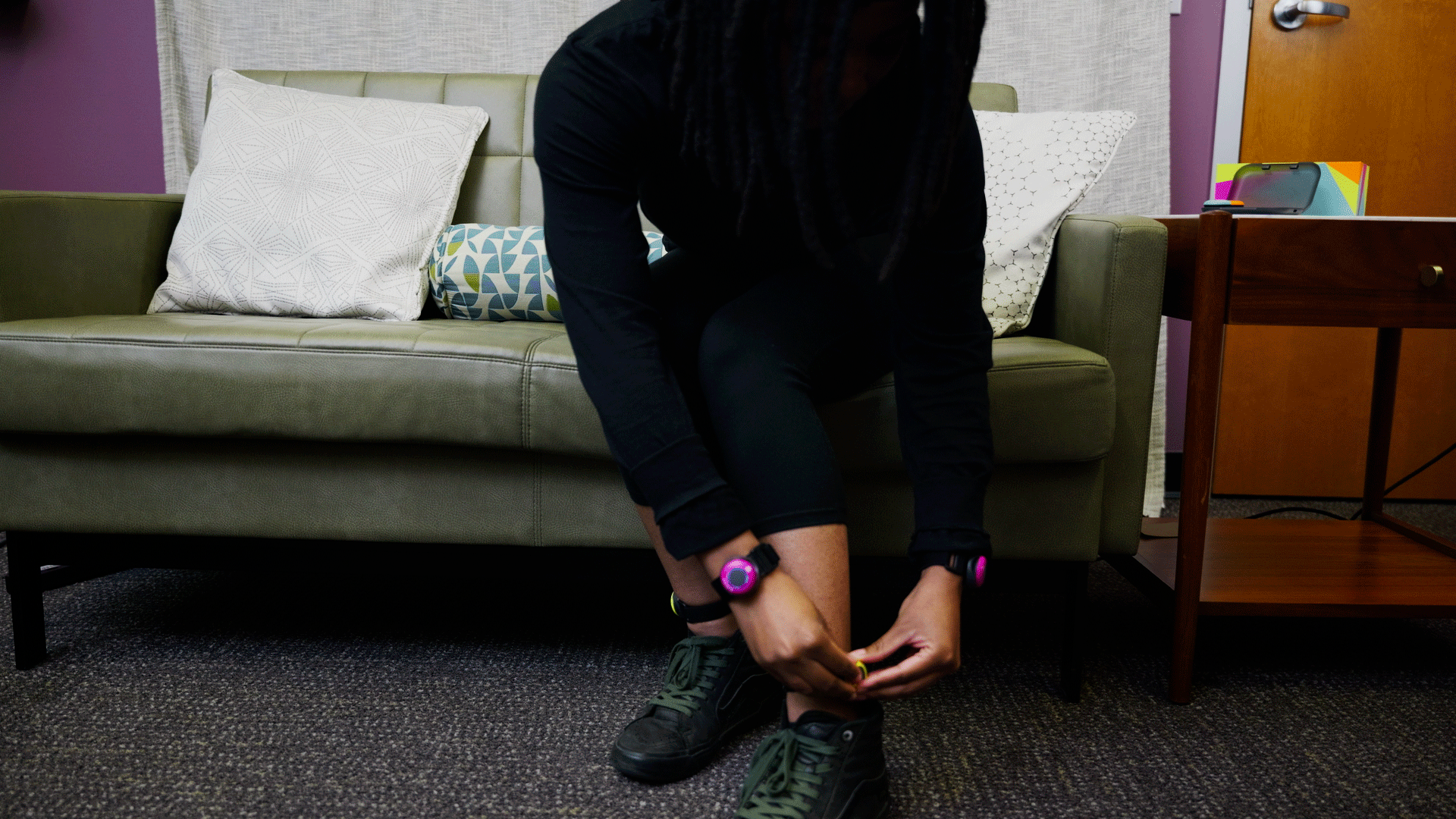
The challenge was not simply connecting hardware to a game. It was making sure the tracking felt useful inside a workout. Sony provides the motion capture technology, while Les Mills brings the choreography and fitness methodology. Our role at Odders is to make those elements work together in a way that felt intuitive for users. That meant translating motion data into meaningful gameplay and feedback, while keeping the experience responsive, motivating and easy to follow. The technology needed to support the workout, not distract from it.
Building together
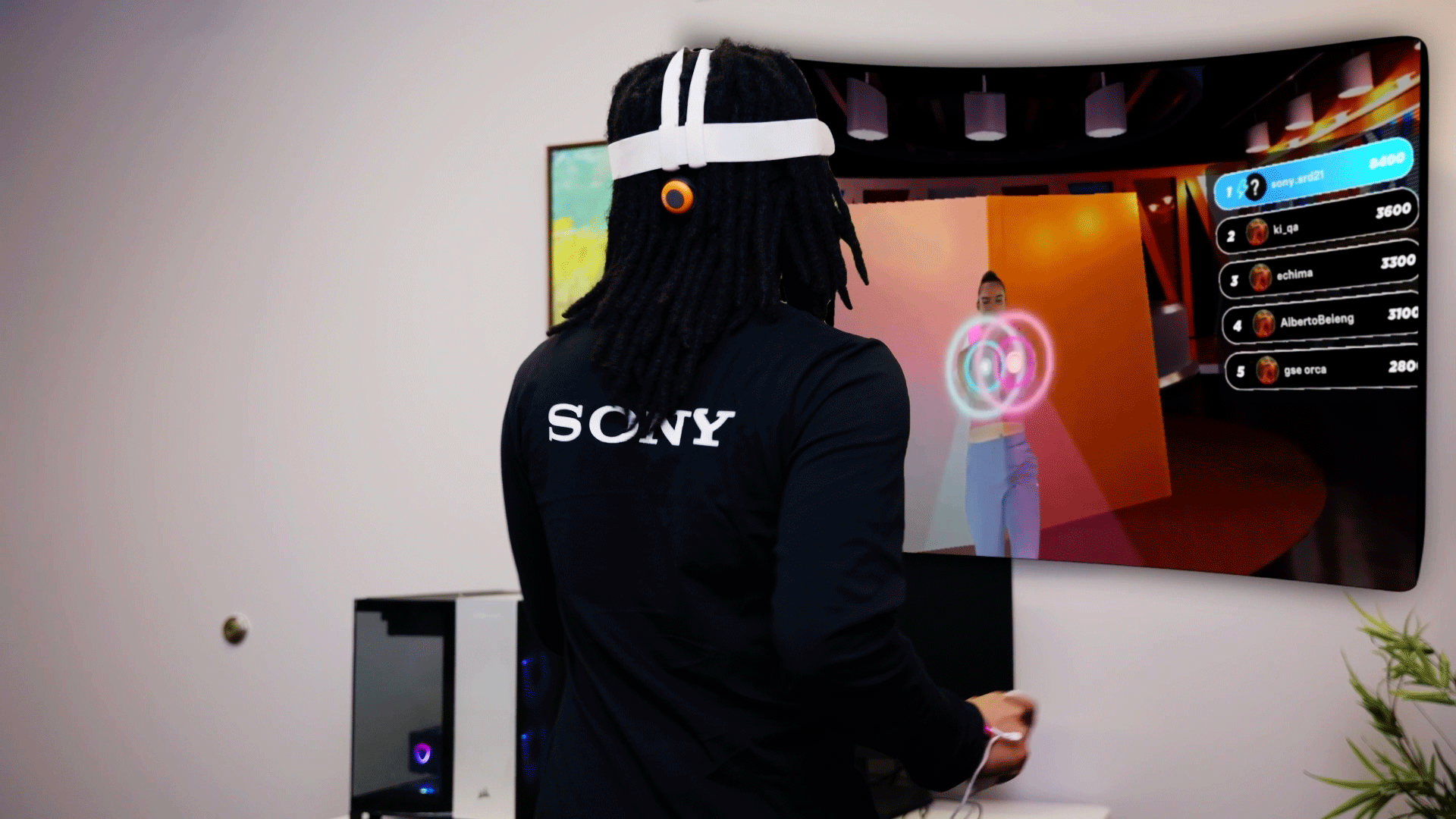
Projects like this show the value of combining expertise from different fields. Sony contributes the hardware, Les Mills contributes the fitness content, and Odders brings the XR expertise and development needed to connect everything into a single product. The integration of mocopi into LES MILLS XR DANCE demonstrates how full-body tracking can enhance fitness experiences by making movement more visible, accurate and engaging.
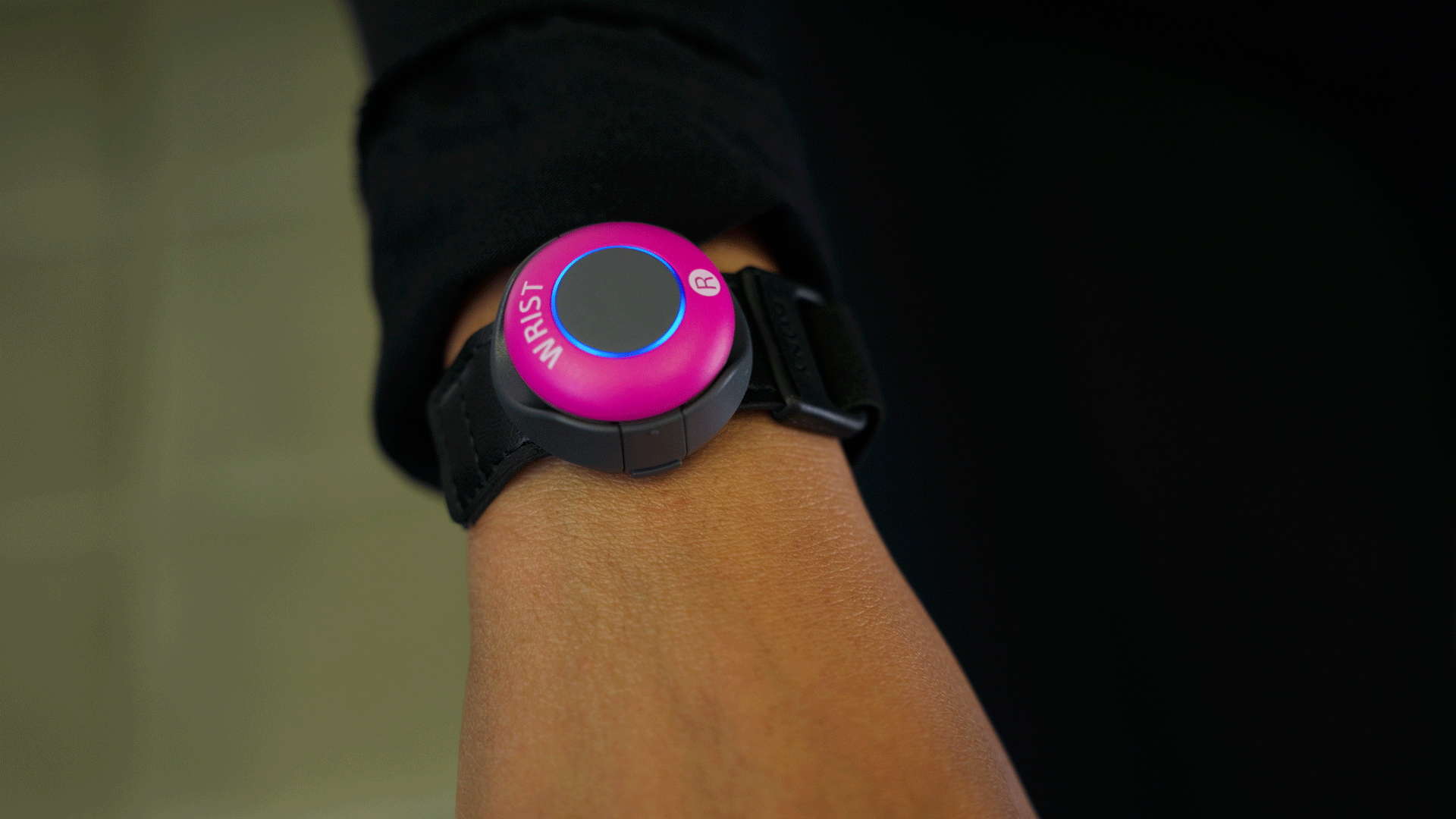
For us, it is also a glimpse of where immersive fitness is heading. As technology becomes better at understanding the body, virtual workouts can become more responsive, more personal and closer to real-world training. That is the kind of experience we aim to build: technology that stays in the background while movement takes center stage.
What we're exploring now
Ongoing insights across Odders innovation, culture and projects.
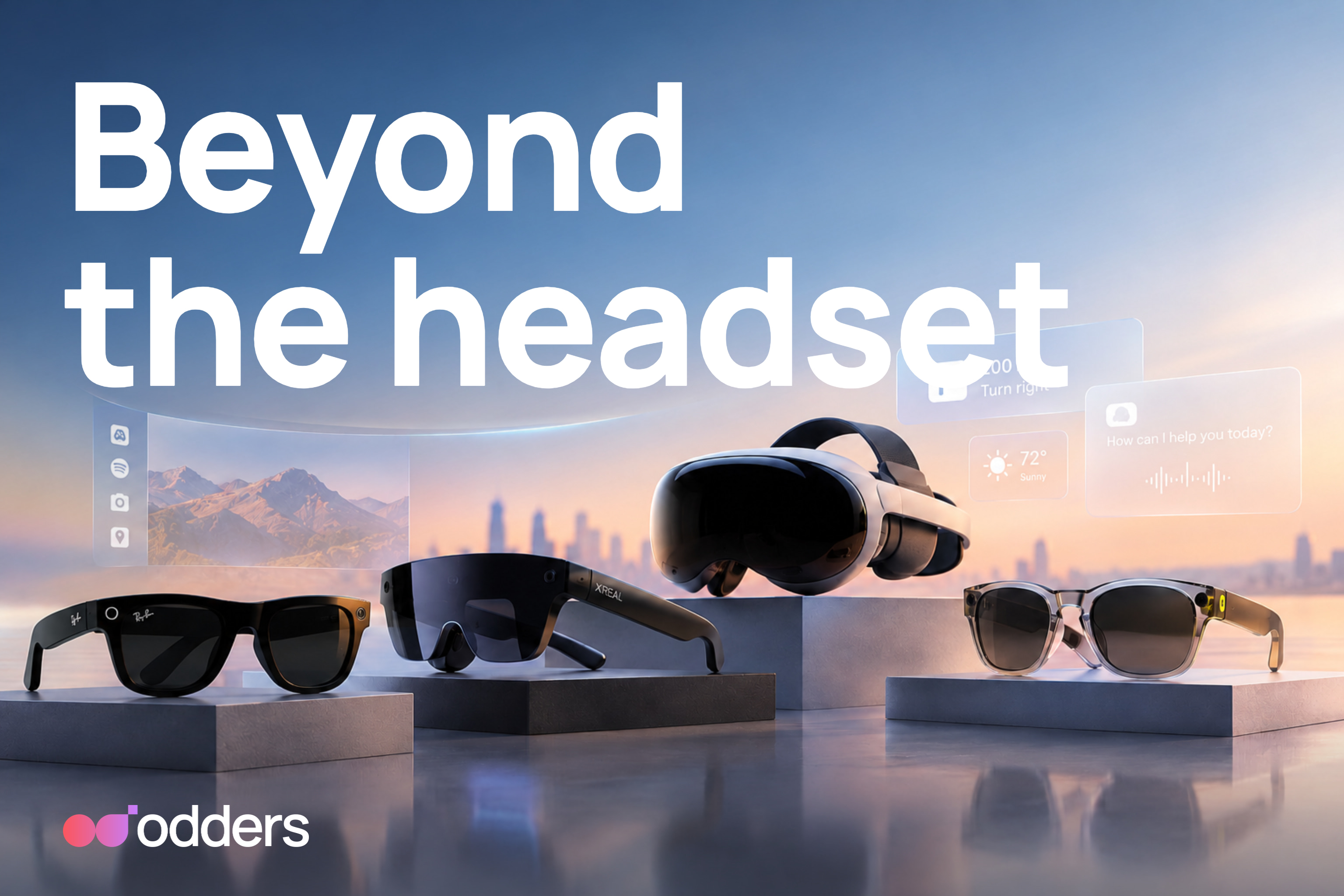
Beyond the Headset: The Next Chapter of XR Is Taking Shape
Something is shifting in XR. The industry is getting closer to making extended reality something we use every day—not just something we experience.
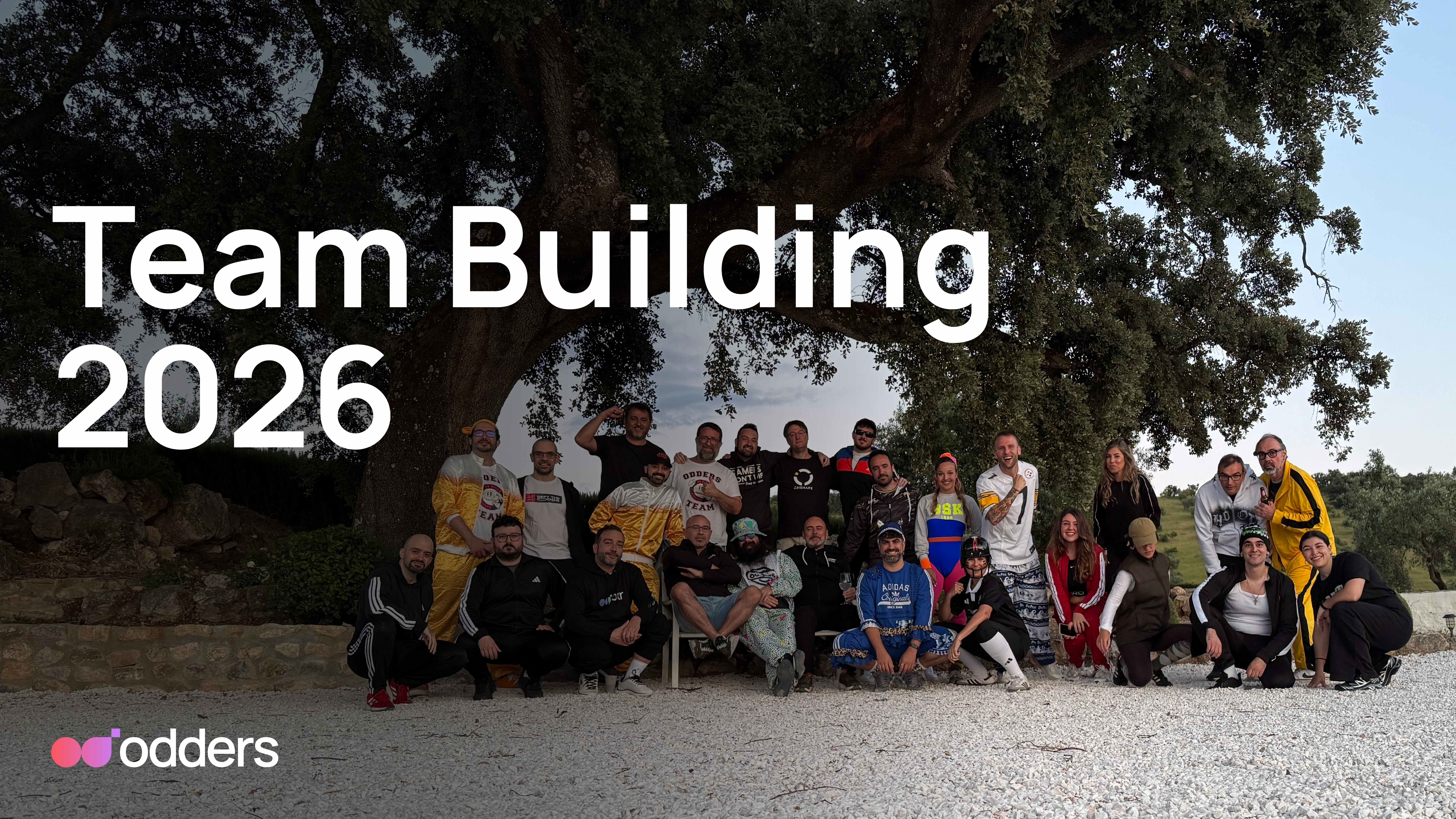
Culture Happens When People Come Together
What happens when a fully remote team leaves their screens behind? More than any agenda could have planned for.
Sony x Odders: How we brought full-body tracking into LES MILLS XR DANCE
In collaboration with Sony, we integrated Sony mocopi into LES MILLS XR DANCE. Here's what it took, what it unlocked, and why it matters for the future of immersive training.