
Culture Happens When People Come Together
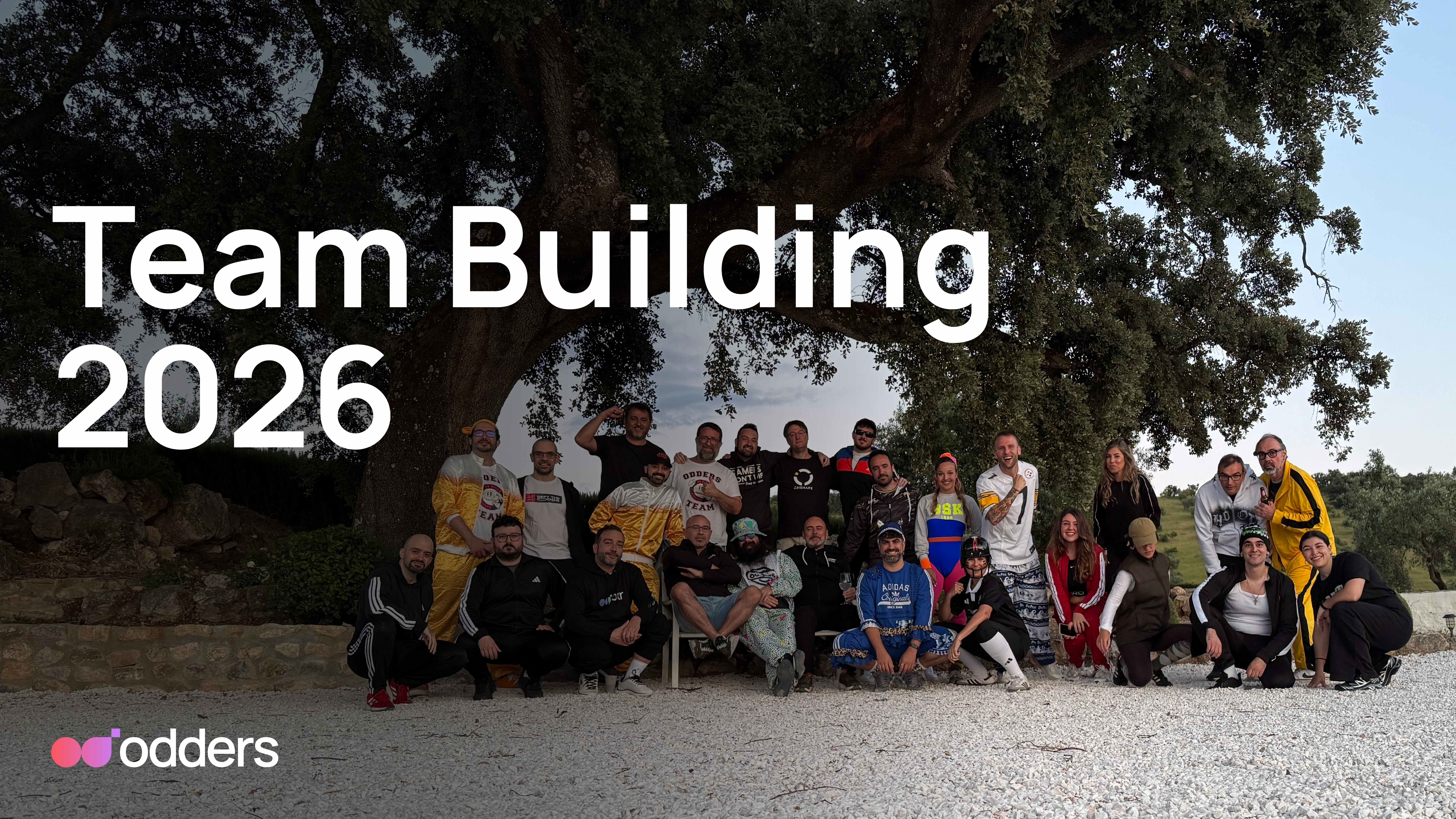
What happens when a fully remote team leaves their screens behind? More than any agenda could have planned for.

We packed our bags, left our home setups behind, and spent a few days together in a rural house. No offices, no screens, no Slack notifications. Just the Odders team, sharing a space and a pace we rarely get to experience together. We had an agenda. We didn't follow it too closely. And that turned out to be the point.
The Best Things Happened Between the Lines
There were planned sessions. There were also long meals, slow conversations, and moments that wandered far from the agenda and into territory that actually mattered. Someone asked a question that opened something up. Someone else said something honest that probably wouldn't have come out in a weekly sync. A joke landed and became a shared reference point that still makes sense a week later. Culture is often described as something you build deliberately, and that's partly true. Research shows that 65% of companies report team-building activities significantly strengthen their organizational culture, but the mechanism is rarely a formal exercise. It also appears in the gaps: in who refills someone's glass without being asked, in who listens when the conversation gets real, in the small gestures that reveal how someone actually is when they're not performing a role. Those things don't get scheduled. They get created by putting people in the same space and giving them enough time to stop being colleagues and start being people.
“Culture doesn't always live in what you design. It lives in what emerges when the design runs out.”

Outside the Role, You Find the Person
In our day-to-day work, we see each other through specific lenses: the project lead, the developer, the designer. We see roles, responsibilities, and output. Rarely the full person behind them. And that gap matters more than it might seem, because 85% of people believe trust is important for a high-performing team, and research consistently shows it builds faster outside of core projects and responsibilities. In-person time creates the conditions for that to happen, and what gets built there carries back into work. Those lenses are useful. They're also incomplete. A few days in a shared house can change the frame. You discover how someone thinks when there's no deliverable attached to the thinking. You see what makes someone laugh. You find out what they care about when work isn't the only topic available. You notice how they treat other people in small moments that have nothing to do with performance. Those observations don't stay in the countryside. They come back to work with you, quietly reshaping how you read someone in a meeting, how much you trust their judgment, how willing you are to say something difficult to them because you already know how they'll receive it.
“A team that knows each other works differently. Not just better. Differently.”

Stopping Is Part of Moving Forward
In companies where everything moves fast, pausing looks unproductive. There's always something more urgent than spending three days cooking dinner together and talking about things that don't have a ticket. But the case for pausing is straightforward. Teams that know each other well make better decisions faster. They communicate more directly. They trust each other's intent, which means they spend less energy on misreads and friction. Employees who feel their organization genuinely cares about them are 71% less likely to burn out and three times more likely to be highly engaged. Retreats, done with intention, are one of the clearest signals a company can send that it cares. We came back with photos, a few inside jokes, and some conversations we haven't fully finished yet. More than that, we came back with a slightly sharper sense of who we're building this with. That might be what culture actually is: not the values written on a page, but the recognition that accumulates between people over time, in moments big enough to remember and small enough to almost miss.

What we're exploring now
Ongoing insights across Odders innovation, culture and projects.

Beyond the Headset: The Next Chapter of XR Is Taking Shape
Something is shifting in XR. The industry is getting closer to making extended reality something we use every day—not just something we experience.
Culture Happens When People Come Together
What happens when a fully remote team leaves their screens behind? More than any agenda could have planned for.
Sony x Odders: How we brought full-body tracking into LES MILLS XR DANCE
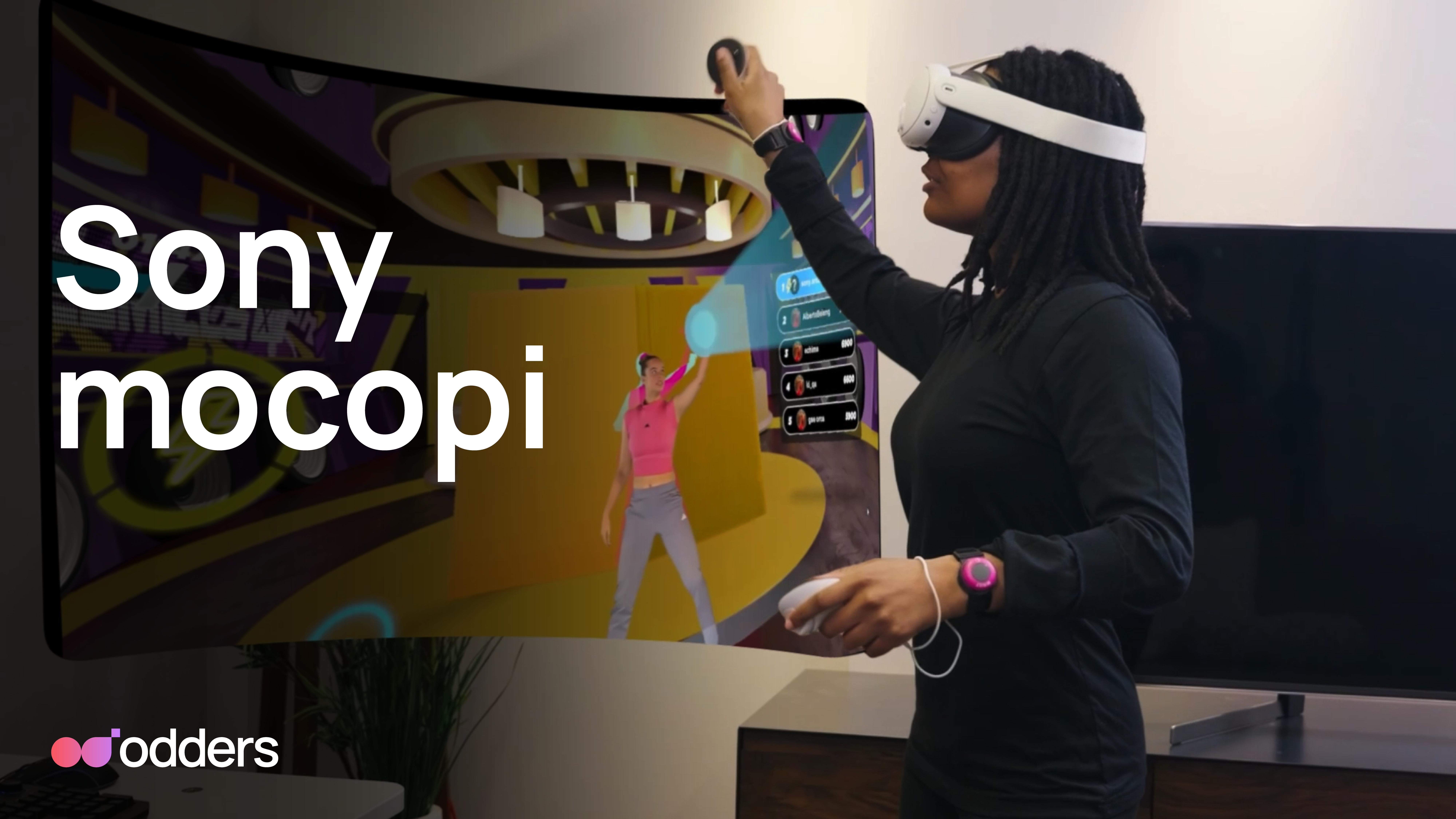
In collaboration with Sony, we integrated Sony mocopi into LES MILLS XR DANCE. Here's what it took, what it unlocked, and why it matters for the future of immersive training.