
Leadership can also be trained
In a fully remote company operating in the AI era, the ability to give and receive feedback well isn't a nice-to-have. It's infrastructure.
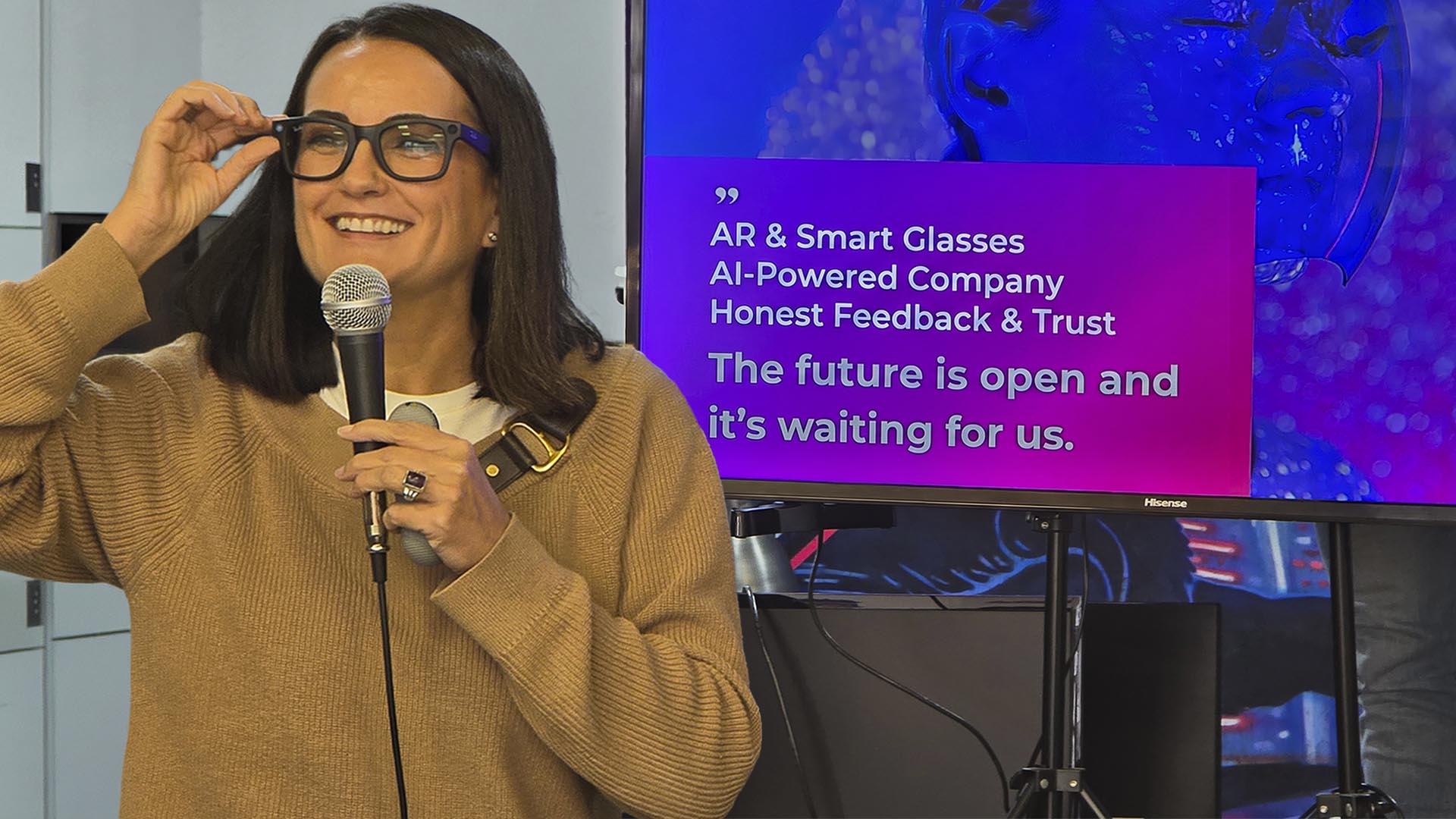
Building a fully remote company means making deliberate choices about how people connect, communicate, and grow together. Without a shared office for +50% of our team, the informal layer where trust is built and feedback flows naturally simply doesn't exist by default. That's why twice a year, C-Level, Managers and Leads at Odders meet in person. No full team, no broad agenda. Just the people responsible for leading across the company, in the same room, focused on one thing: becoming better at leading.
These sessions are not about alignment in the abstract. They are where we put important conversations on the table:
- How to give and receive feedback in a constructive way
- Lessons learned across teams
- Roadmap priorities and upcoming developments
- AI: sharing real use cases, valuable experiments and cross-functional use of AI across the team
Remote Work Doesn't Break Teams. Silence Does
In our most recent session, we dedicated a significant part of the time to something specific: how to give and receive feedback in a constructive way, connecting genuinely with the people involved. Not feedback as a performance ritual, but as the mechanism that keeps teams honest, aligned, and growing. Feedback is one of the first things that suffers in a remote environment. Not because people care less, but because the natural friction that used to trigger it is gone: there's no read of the room after a tense meeting, no hallway conversation that turns into the real debrief. What often fills that gap is silence. Feedback gets softened into a Discord message, postponed to a formal review, or dropped entirely because the moment never felt right. And when feedback stops flowing, misalignment doesn't announce itself; it accumulates. That's why we see this as a design challenge: remote work doesn't break teams, but silence can, so trust and communication have to be built intentionally.
“In a remote company, trust doesn't happen by proximity. You have to build it on purpose”
The Hardest Skill Isn't Technical
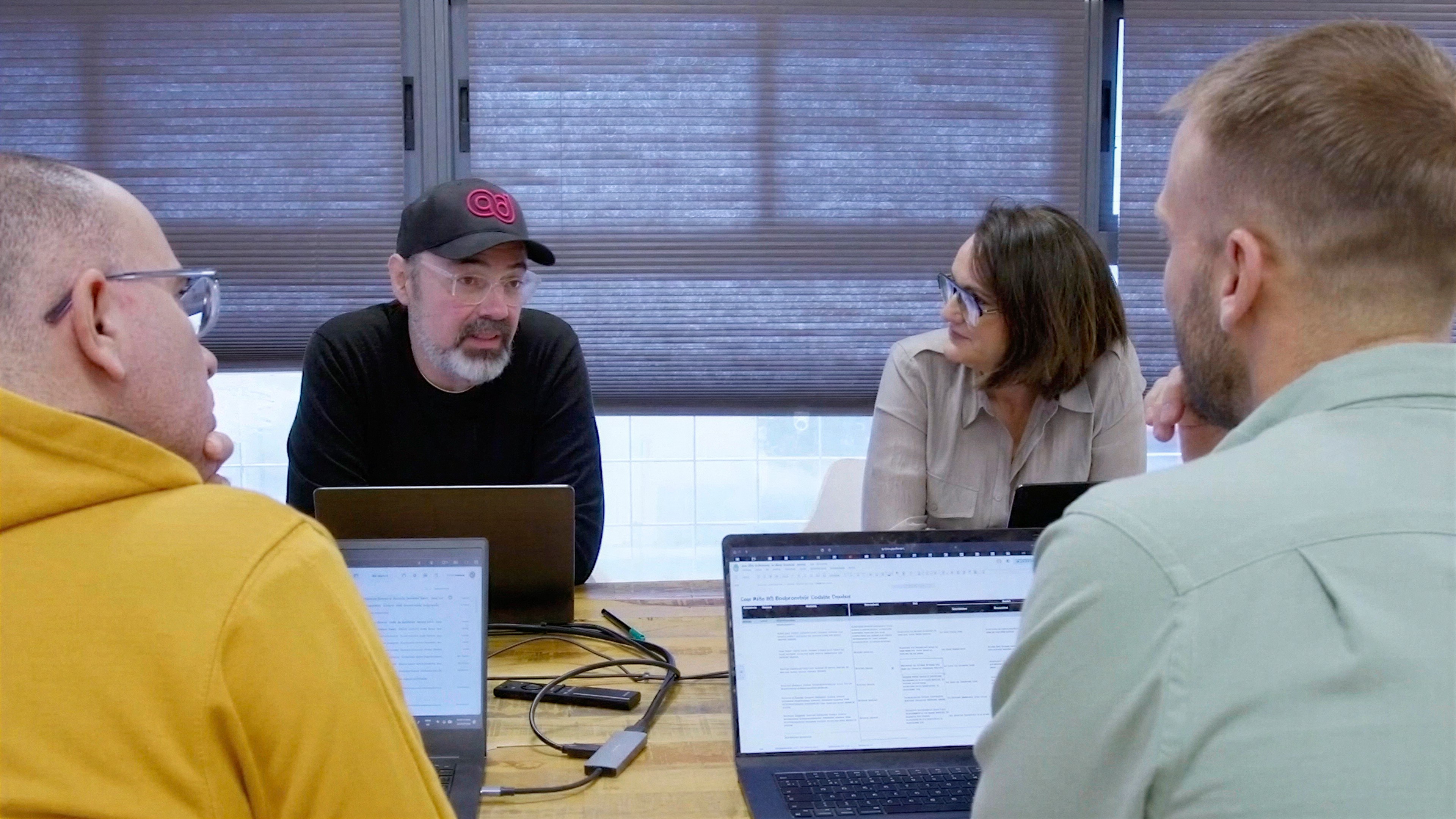
The session wasn't a workshop on frameworks. It was a safe space to practice, make it uncomfortable, and learn from that discomfort. We worked on what it takes to give feedback that lands: being direct without being blunt, making it specific rather than general, and connecting with the person in front of you rather than just delivering a message. And equally, on what it takes to receive it well: staying open, not collapsing into defensiveness, and understanding that feedback given with care is one of the most valuable things a colleague can offer. Each lead also shared something they were genuinely proud of, and something they had learned. The second part required more honesty, because behind most lessons is something that didn't go as planned. A conversation managed poorly. A signal missed too late. A decision that could have been explained better. Being able to say that in a room, without needing to have everything figured out, is exactly the kind of trust these sessions are designed to build.
“The leads who give the best feedback to their teams are the ones who have learned to receive it first”
AI Makes the Human Layer More Important, Not Less
During the same session, we also talked about AI. Not as a trend, but as a capability that needs to become part of how the company works. People shared what they are already using, where they are finding value, and where they see opportunities to go further. Because the real value of AI is not just access to tools, but knowing how to use them to improve judgment, speed, quality, and collaboration. That is why a company-wide AI approach needs shared context, meaningful use cases, and leaders who can help teams adopt it in a useful way. In an AI-enabled company, technical adoption and human communication depend on each other. The more powerful the tools become, the more important it is to communicate clearly, challenge assumptions, and make decisions with trust.
The Human Layer Is the Competitive Advantage
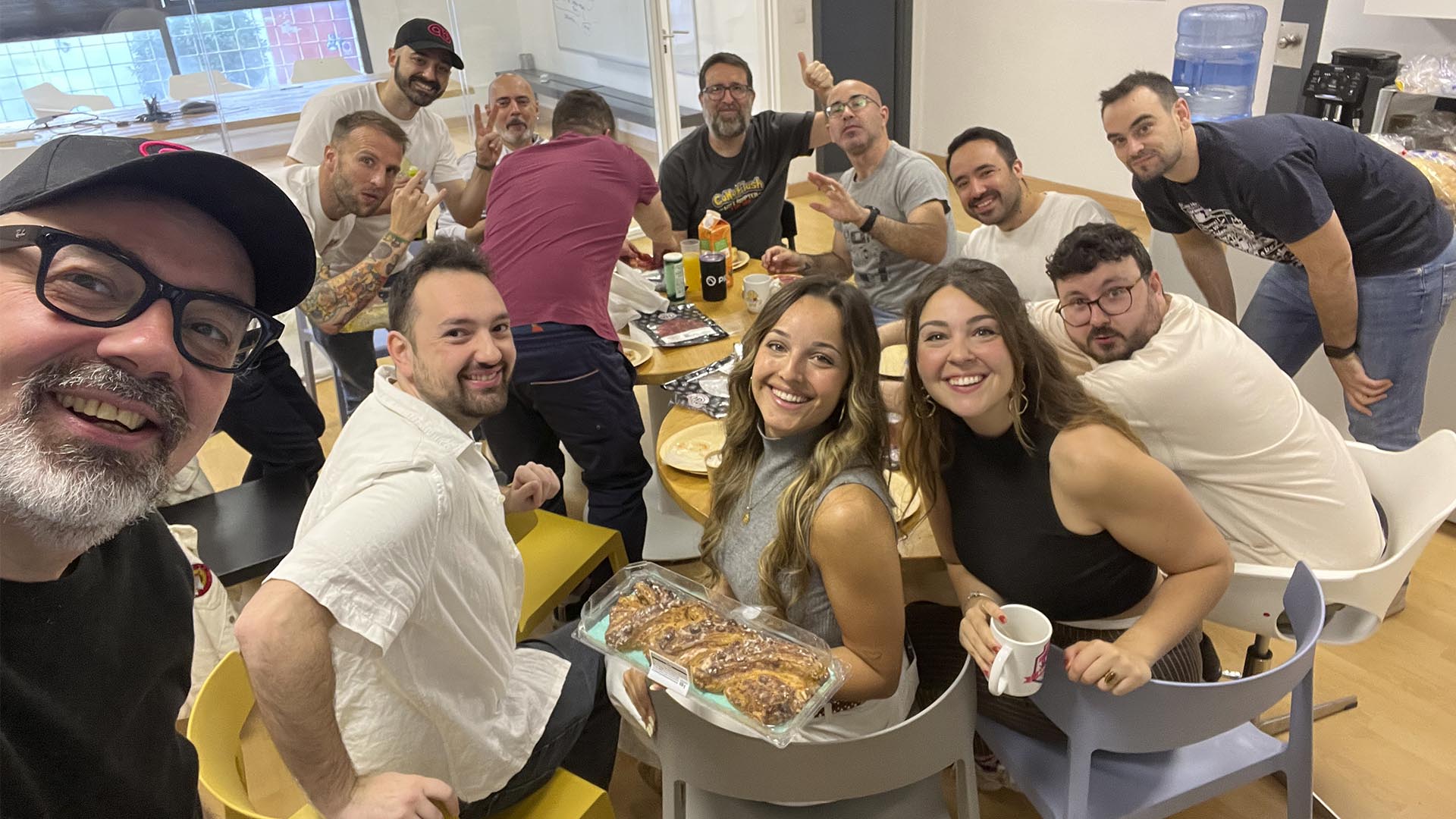
As AI takes over more of the technical workload, team chemistry and communication become even more consequential. The World Economic Forum's Future of Jobs Report 2025, drawing on data from over 1,000 companies, identifies leadership, resilience, and social influence among the fastest-rising skills by 2030. Feedback, trust, and the ability to have difficult conversations without damaging relationships are not skills AI can build for a team. They require practice, intention, and the right environment. That is what these lead sessions are for: a recurring investment in the human infrastructure that makes everything else at Odders work. They are where strategy connects with reality, roadmap updates become shared understanding, lessons move across teams, and AI evolves from individual experimentation into collective intelligence. The teams that lead the next decade won't simply be the ones using the most AI: they'll be the ones with enough trust to use it well.
What we're exploring now
Ongoing insights across Odders innovation, culture and projects.

Beyond the Headset: The Next Chapter of XR Is Taking Shape
Something is shifting in XR. The industry is getting closer to making extended reality something we use every day—not just something we experience.
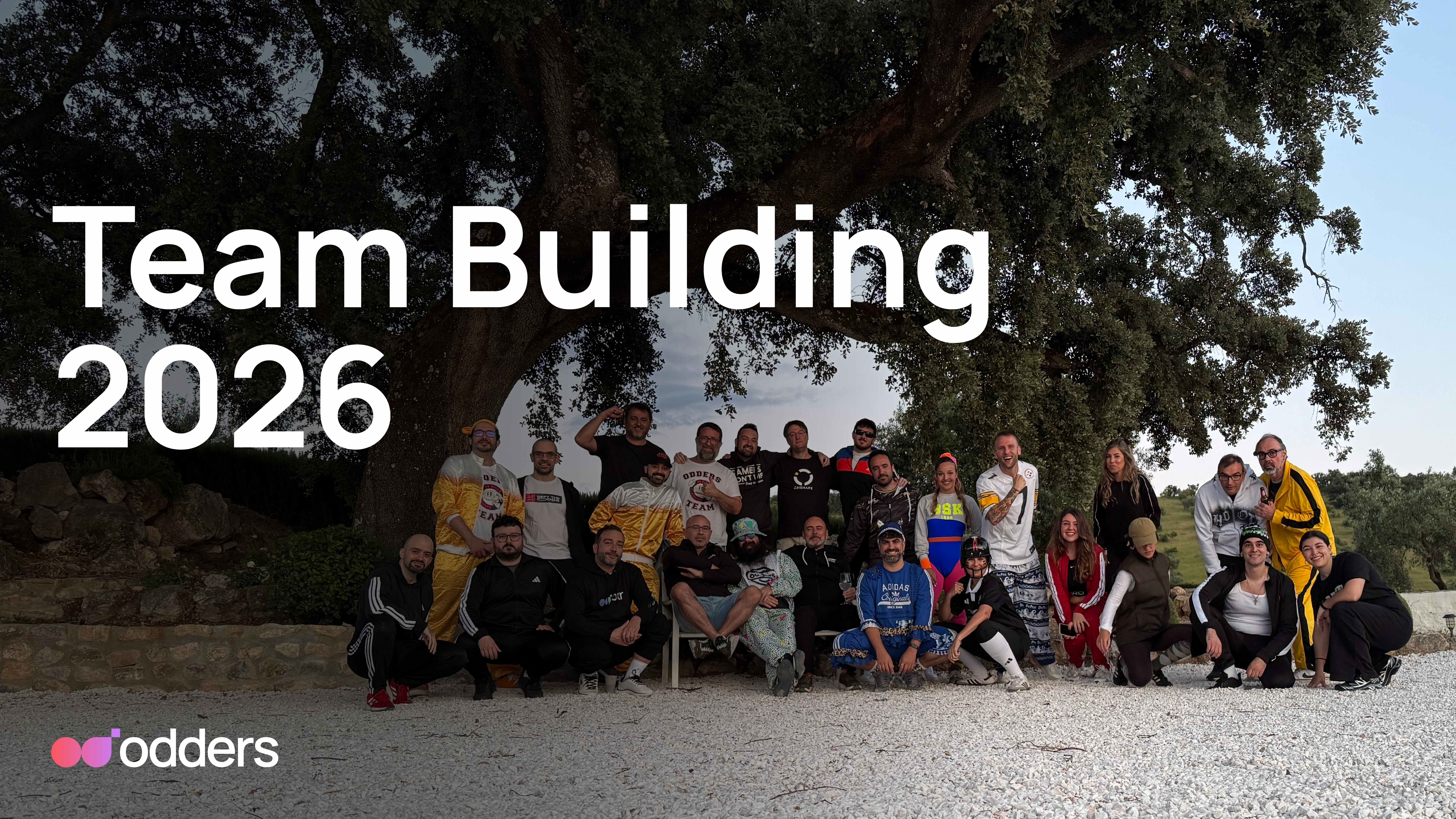
Culture Happens When People Come Together
What happens when a fully remote team leaves their screens behind? More than any agenda could have planned for.
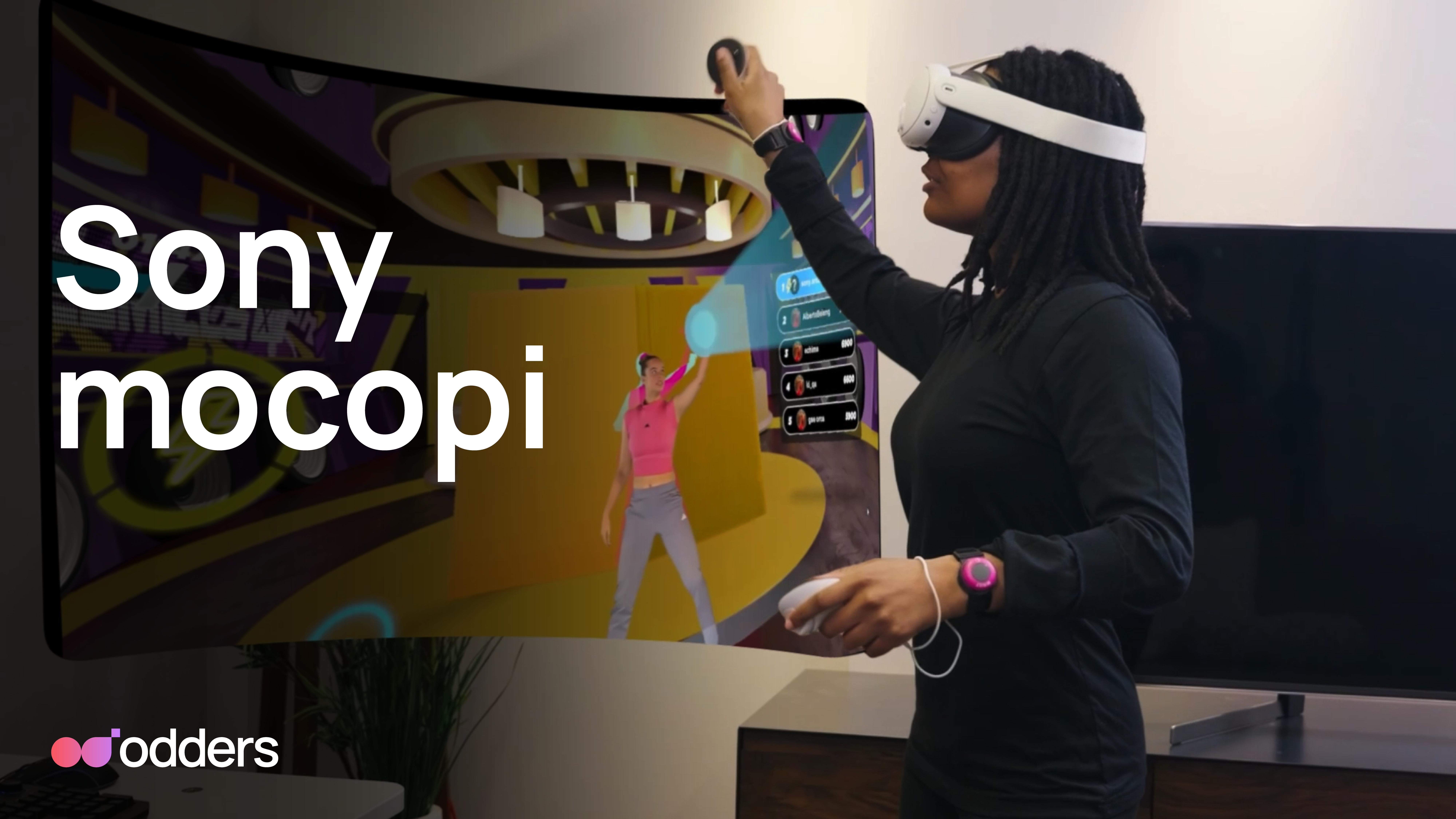
Sony x Odders: How we brought full-body tracking into LES MILLS XR DANCE
In collaboration with Sony, we integrated Sony mocopi into LES MILLS XR DANCE. Here's what it took, what it unlocked, and why it matters for the future of immersive training.