
FIBO 2026: Industry Overview & Strategic Insights
Emerging trends, technology landscape and key points from inside the event.
About FIBO
FIBO is the world's leading trade show for health, fitness and wellness and, after 40 years, has established itself as one of the key international hubs for innovation, business and industry trends.
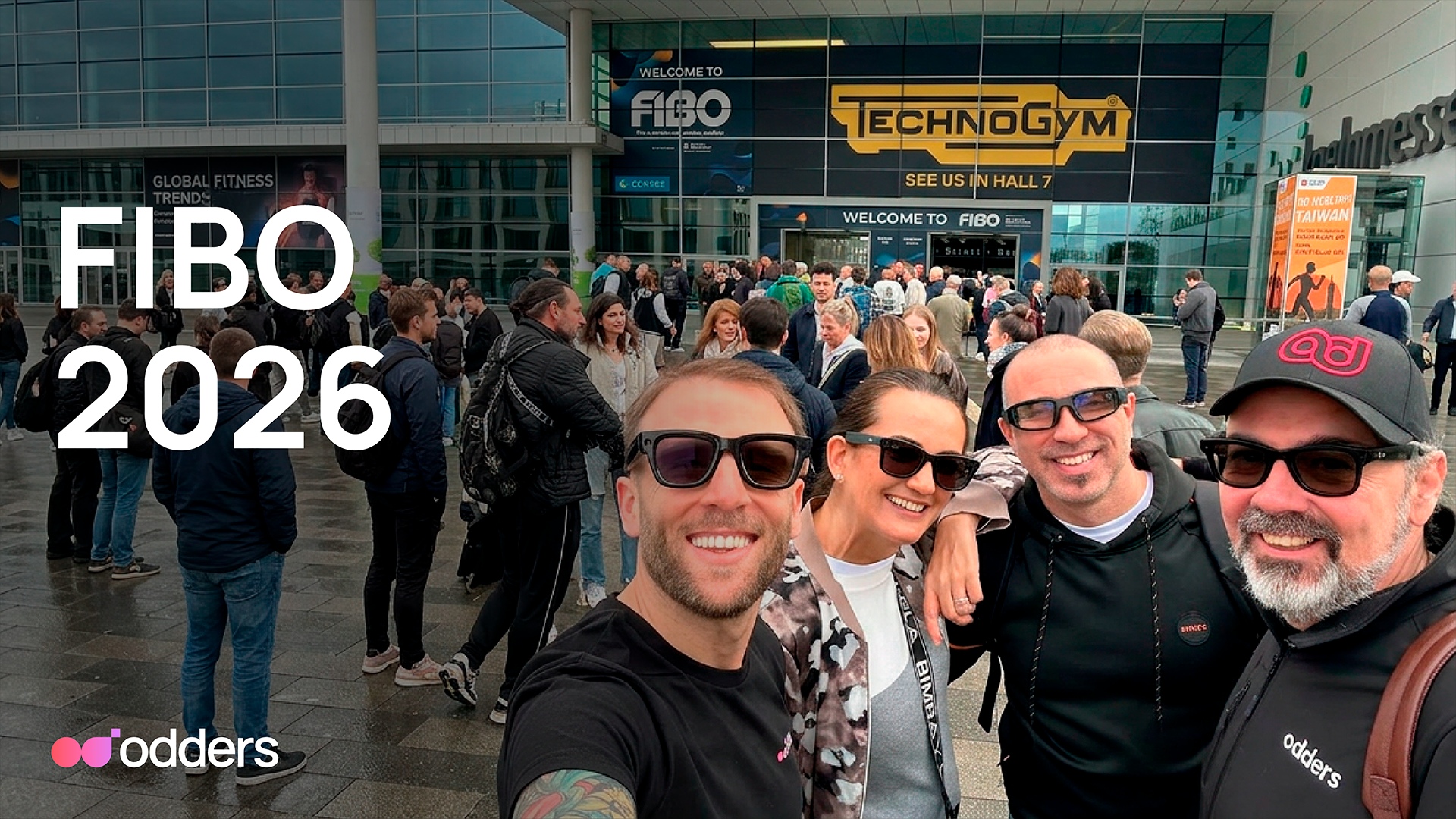
Held in Cologne from April 16 to 19, FIBO 2026 brought together 175,173 visitors from 136 countries and more than 1,000 exhibitors and stands, reinforcing its role as a global showcase for brands, operators, professionals and investors shaping the future of fitness, health and wellbeing.
Attending FIBO for the first time provided a comprehensive and highly valuable overview of the current state of the global fitness industry. The primary objective was to assess the level of technological maturity across leading players, identify emerging trends, and initiate direct conversations with key companies shaping the space.
Industry Trends
Key trends:
- Continued dominance of strength training as the core pillar of fitness
- Increased demand for lower-impact, technique-driven training options
- Resurgence of home fitness, more tech-driven (connected devices, digital ecosystems, gamified experiences)
One of the most visible trends across the exhibition was the continued dominance of strength training as the core pillar of fitness. Equipment, programming, and user demand all reinforce its central role.
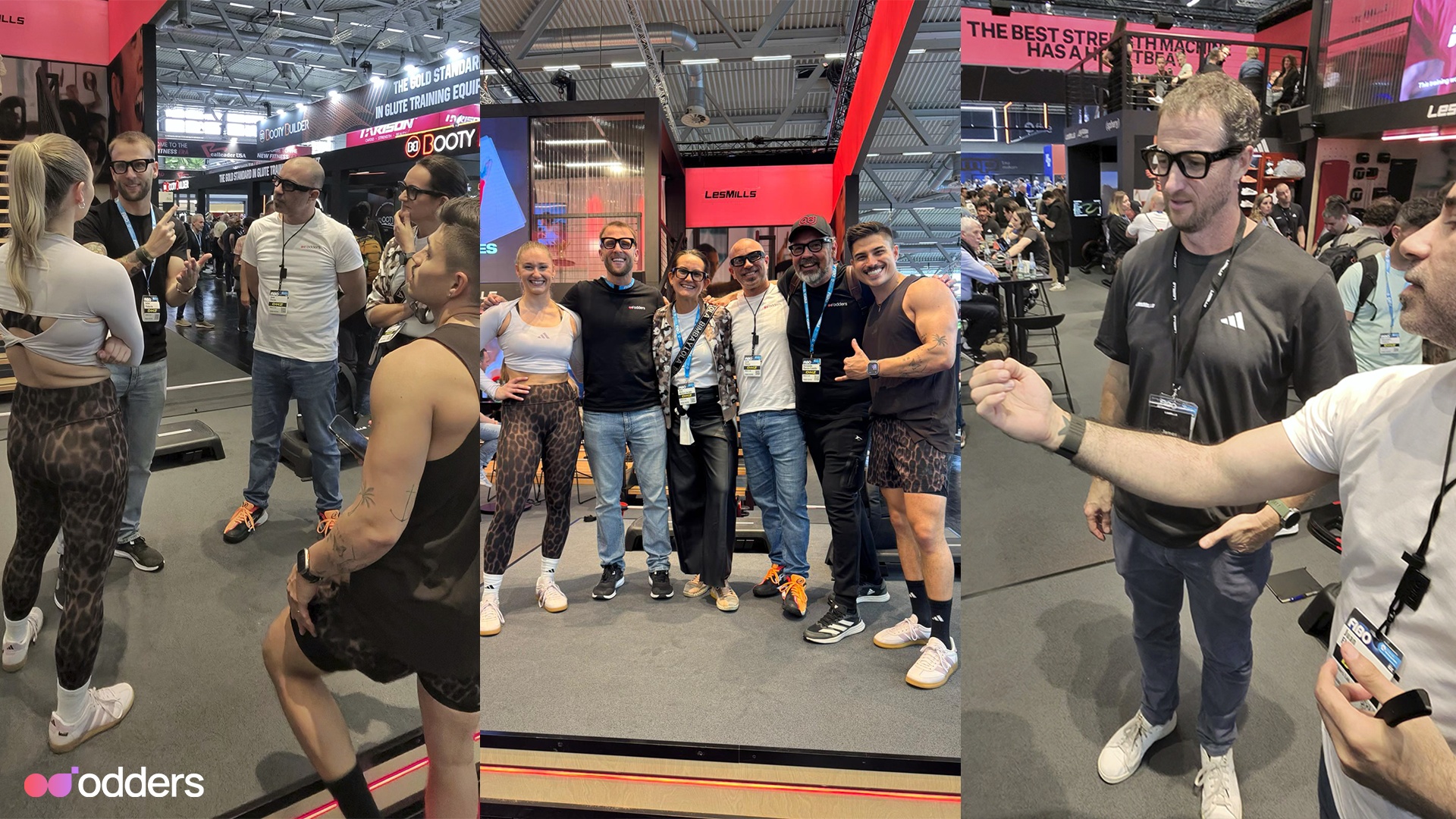
At the same time, there is a noticeable expansion in complementary formats. Pilates reformer solutions are gaining traction, suggesting increased demand for lower-impact, technique-driven training modalities. Similarly, guided class experiences continue to grow in relevance, with strong representation from structured programs such as those delivered by our partner Les Mills and competitive formats like HYROX. The recently announced partnership between these two entities further reinforces the convergence of content, competition, and community as a key direction for the industry.
Technology Landscape
Key points
- AI is the recurring focus, but implementation is limited
- Integration of mobile devices as part of the fitness experience
- Growing interest in next-generation interfaces and devices, especially AR and display smart glasses
From a technological perspective, AI was a recurring theme across virtually all major players. However, while AI is widely referenced in positioning and messaging, its practical implementation remains relatively limited. Most current applications focus on basic personalization or data tracking, with few examples of truly adaptive, real-time systems.
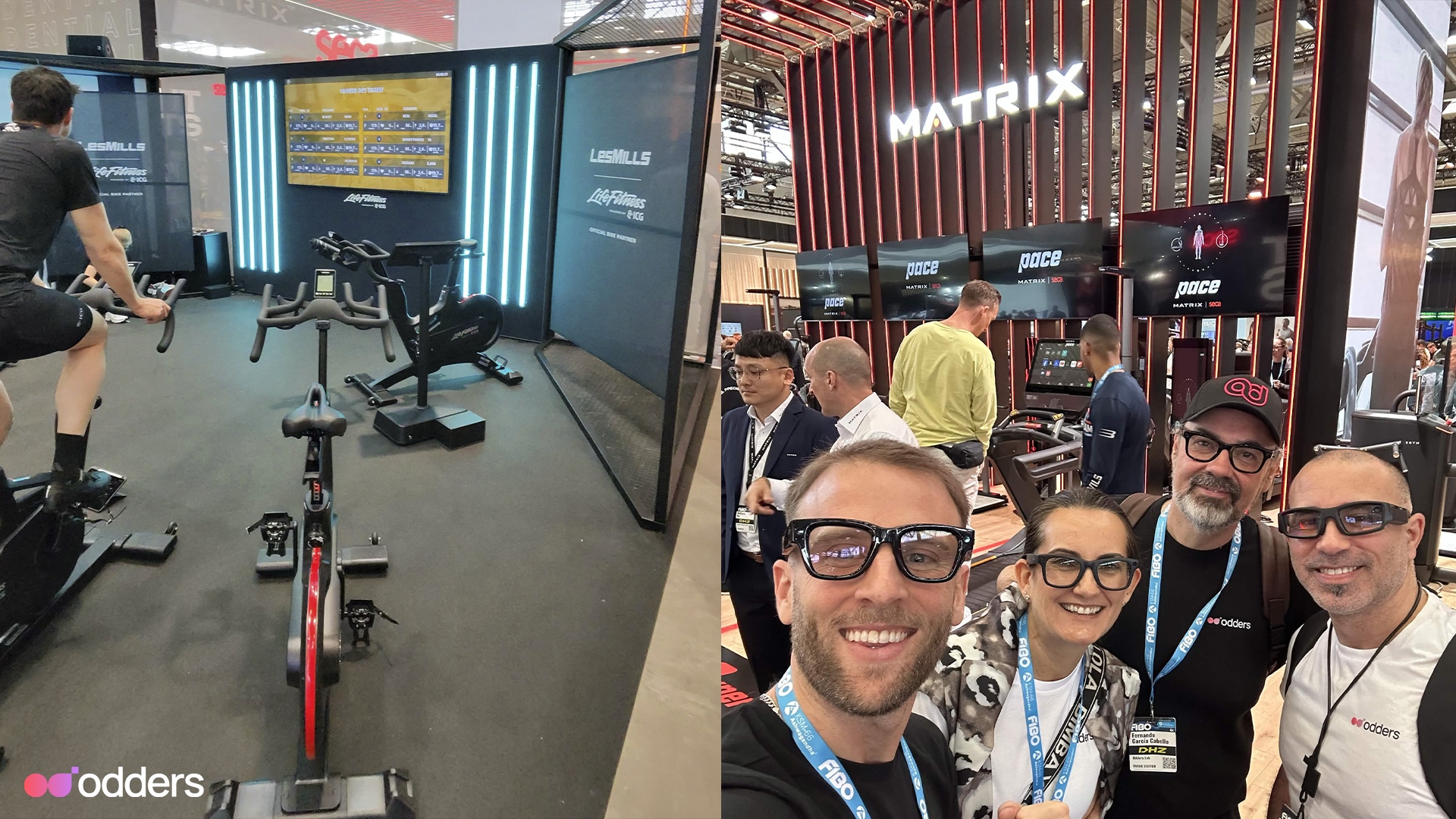
A more tangible area of progress can be observed in the integration of mobile devices as part of the fitness experience. A notable example is the Pod Connect system from Life Fitness, which allows users to interact with equipment and track performance through simple mobile-based interactions. This approach reduces friction and improves accessibility, although it still relies on traditional screens and does not fundamentally redefine the user experience.
At the same time, there is growing interest in next-generation interfaces, particularly around augmented reality and display glasses. Discussions with companies such as Matrix Fitness and Life Fitness showed early-stage exploration in this area, as well as curiosity about how these technologies could be applied in real training environments. Similarly, Polar Electro Oy has already begun considering the intersection between wearable data and immersive interfaces, suggesting that the convergence of biometrics and AR is increasingly seen as a logical next step.
Data and Biometrics
Key points
- Real data is becoming increasingly important across the entire ecosystem
- Strong capabilities, but largely fragmented: limited integration into a unified user experience
The importance of data is becoming more pronounced across the entire ecosystem. Companies such as SECA are leading in high-precision body composition and biometric measurement, reinforcing the role of objective data in performance tracking and health optimization.
At the same time, wearable technology providers like Polar Electro Oy bring strong capabilities in data collection and API integration. However, these capabilities are still largely fragmented. Measurement, training, and engagement remain separate layers, with limited integration into a unified user experience.
Key Industry Players
Key players
- Technogym
- Matrix Fitness
- Life Fitness
- EGYM
- Precor
- Polar Electro Oy
- Echelon Fitness
Engagement with leading companies provided valuable insight into their current priorities and level of openness to innovation. Technogym continues to stand out as one of the most adopted and commercially mature players, with a strong focus on ecosystem development and global reach. Matrix Fitness demonstrated a clear willingness to explore new technologies, eager to remain at the top with eyes always on the newest and best solutions to incorporate into their offering. Life Fitness presented a pragmatic and well-executed approach to digital integration, with solutions that are already deployed and user-friendly. EGYM stands out for its strong push toward connected, data-driven training environments, integrating equipment, user profiles, and guided programs into a unified system, representing a potential key player for the future of AR connected fitness. Precor emphasized the importance of gamification, with one of the most active and engaging stands at the event, highlighting the growing role of interaction and motivation in training environments. Polar Electro Oy and SECA reinforced the critical role of data, both from a consumer and clinical perspective. A particularly noteworthy case was Echelon Fitness, which stood out for its openness to innovation and strong technological appetite. Conversations with their technical team were among the most in-depth, suggesting a high level of readiness to explore more advanced and differentiated solutions.
General Assessment
Key learnings
- The future is technology-driven, with growing interest in customization and engagement
- Strong innovative features exist, but they remain largely disconnected — unified experiences are still rare
- A clear gap between ambition and what users experience today, and a significant opportunity for real innovation
Overall, FIBO 2026 reflects an industry that is actively transitioning toward a more technology-driven future, but has not yet fully realized it. The key components are already in place: advanced hardware, growing data capabilities, and increasing interest in personalization and engagement. However, these elements are still largely disconnected.
There is a clear gap between the ambition expressed by industry players, particularly around AI, immersion, and personalization, and the actual experiences currently available to users. This gap represents both a challenge and a significant opportunity for innovation.
In summary, the fitness industry is not lacking in resources, awareness, or intent. What remains to be solved is the integration of these components into cohesive, intelligent, and truly differentiated user experiences.
What we're exploring now
Ongoing insights across Odders innovation, culture and projects.
Culture Happens When People Come Together
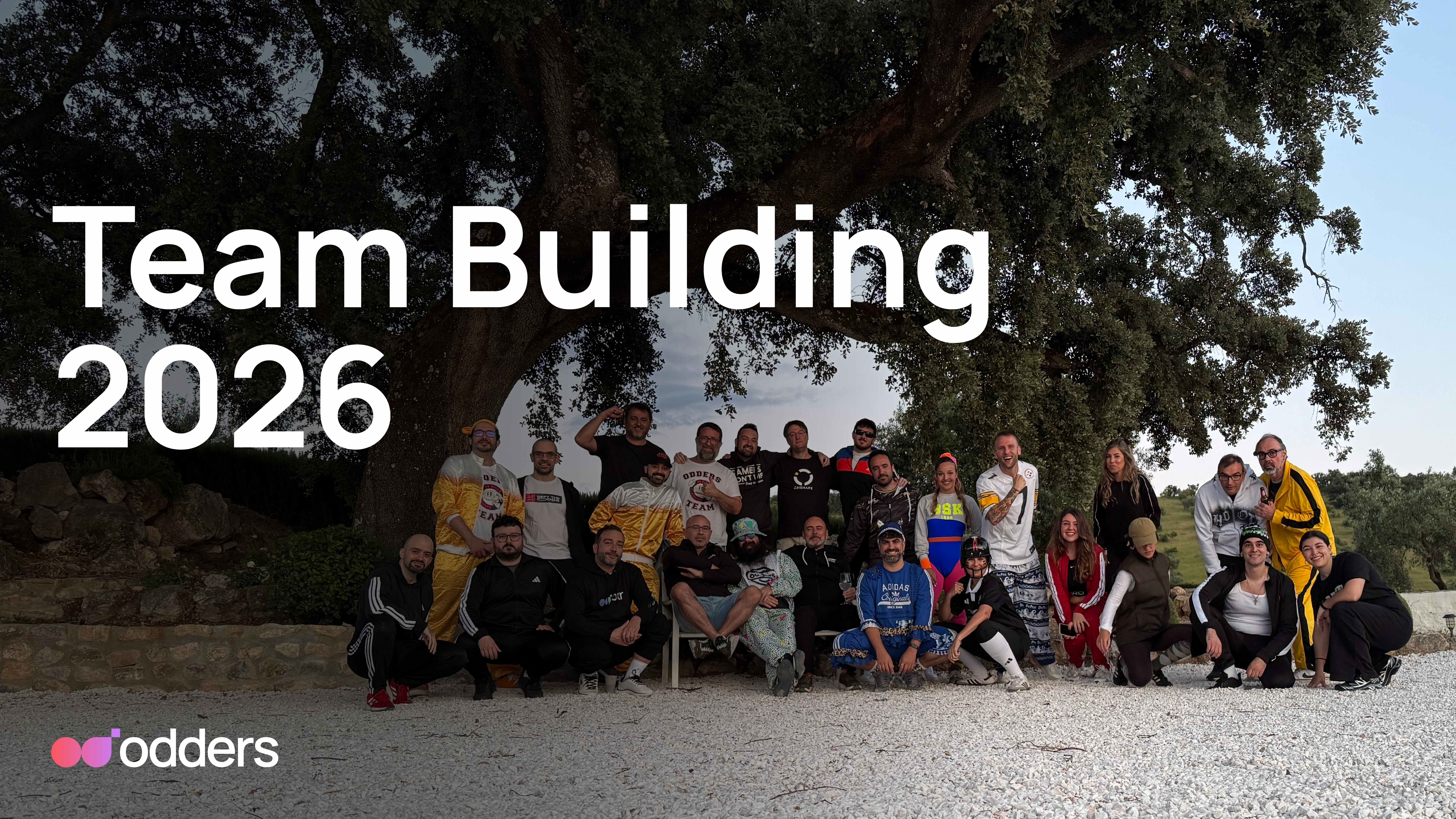
What happens when a fully remote team leaves their screens behind? More than any agenda could have planned for.
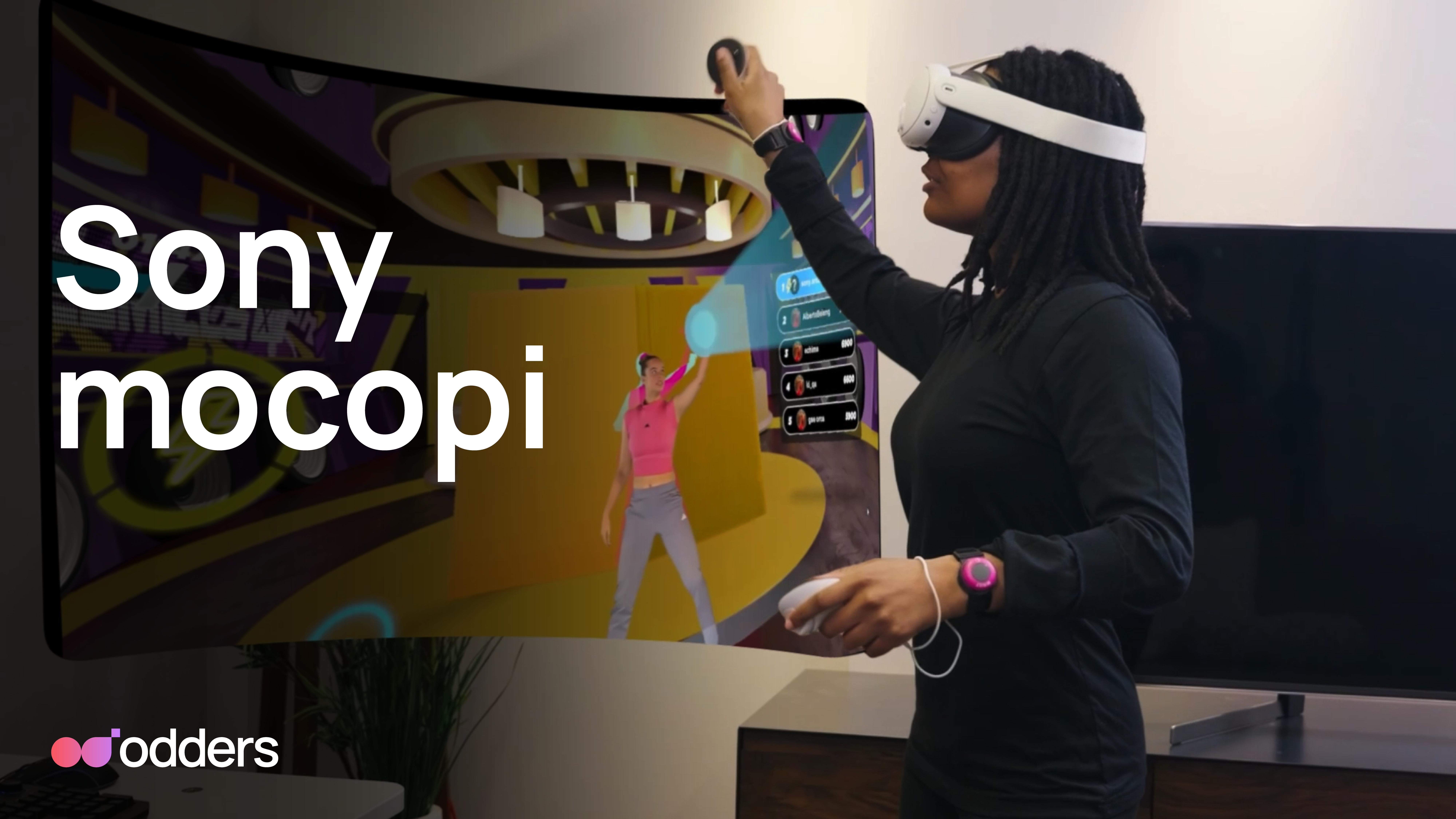
Sony x Odders: How we brought full-body tracking into LES MILLS XR DANCE
In collaboration with Sony, we integrated Sony mocopi into LES MILLS XR DANCE. Here's what it took, what it unlocked, and why it matters for the future of immersive training.
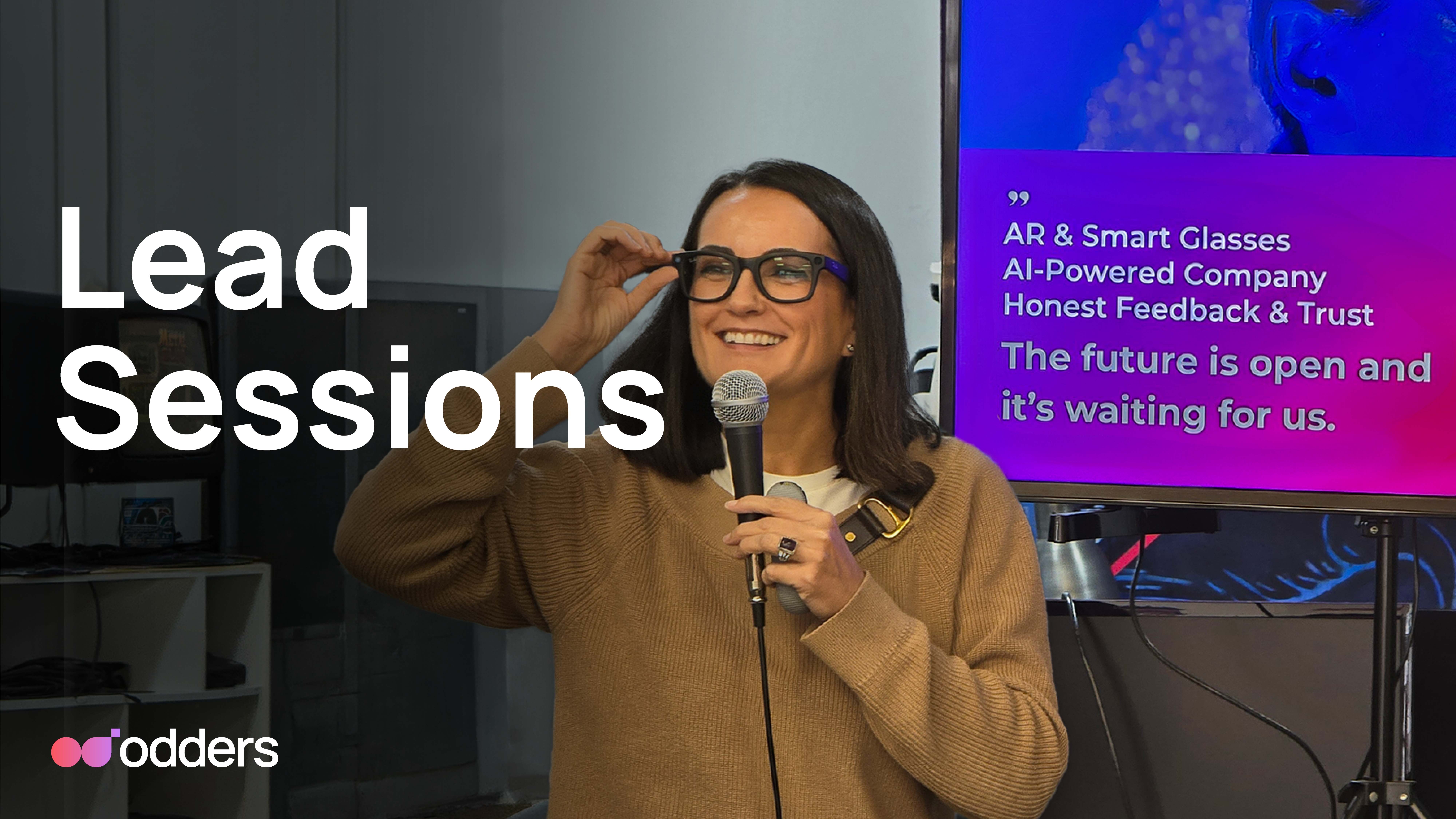
Leadership can also be trained
In a fully remote company operating in the AI era, the ability to give and receive feedback well isn't a nice-to-have. It's infrastructure.