
Culture is best proven through movement
Culture is not defined on a slide, but in habits and behaviors like Odders Movement.
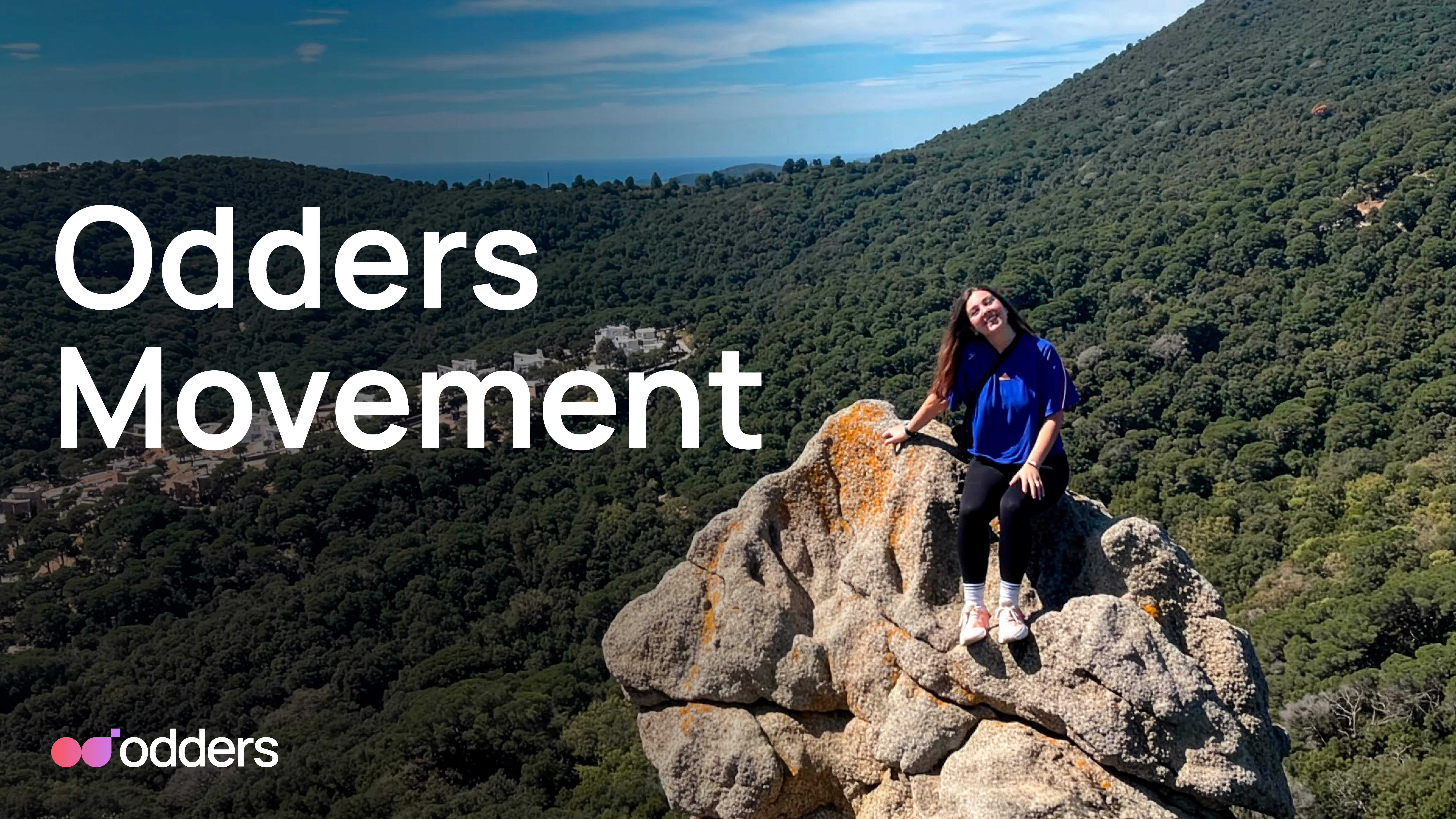
Culture is not defined on a slide. Nor on a values website. Nor in an internal speech. It is seen in what the organization does repeatedly, in the habits it encourages, and in the decisions it normalizes. In how it converts a rule into a behavior. Many companies are currently reforming their internal culture with dynamics that go beyond strictly operational work: wellbeing programs, healthy challenges, team activities, team buildings, more flexible models, and actions designed to connect people and teams. It is not a fleeting trend. It is a response to an evident reality: health, engagement, and culture are connected.
McKinsey estimates that investing in the holistic health of the workforce can generate between 3.7 and 11.7 trillion dollars of economic value globally, due to its impact on productivity, attraction, retention, and absenteeism. The CIPD's Health and wellbeing at work 2025 report also shows that more and more organizations are addressing it structurally: the percentage with a specific wellbeing strategy increased from 44% in 2020 to 57% in 2025, and 74% state that well-being is already on the senior management agenda.
But not everything works. Solid cultures are not built with isolated actions. They are built when a company decides that certain behaviors matter and integrates them into the daily routine. That is the difference between communicating a culture and living it. Deloitte summarizes it well: when an organization increases its commitment to well-being and human sustainability, employees report a better experience, greater engagement, higher intention to stay, and more confidence in leadership. This is not a theoretical conversation; it is part of our DNA.
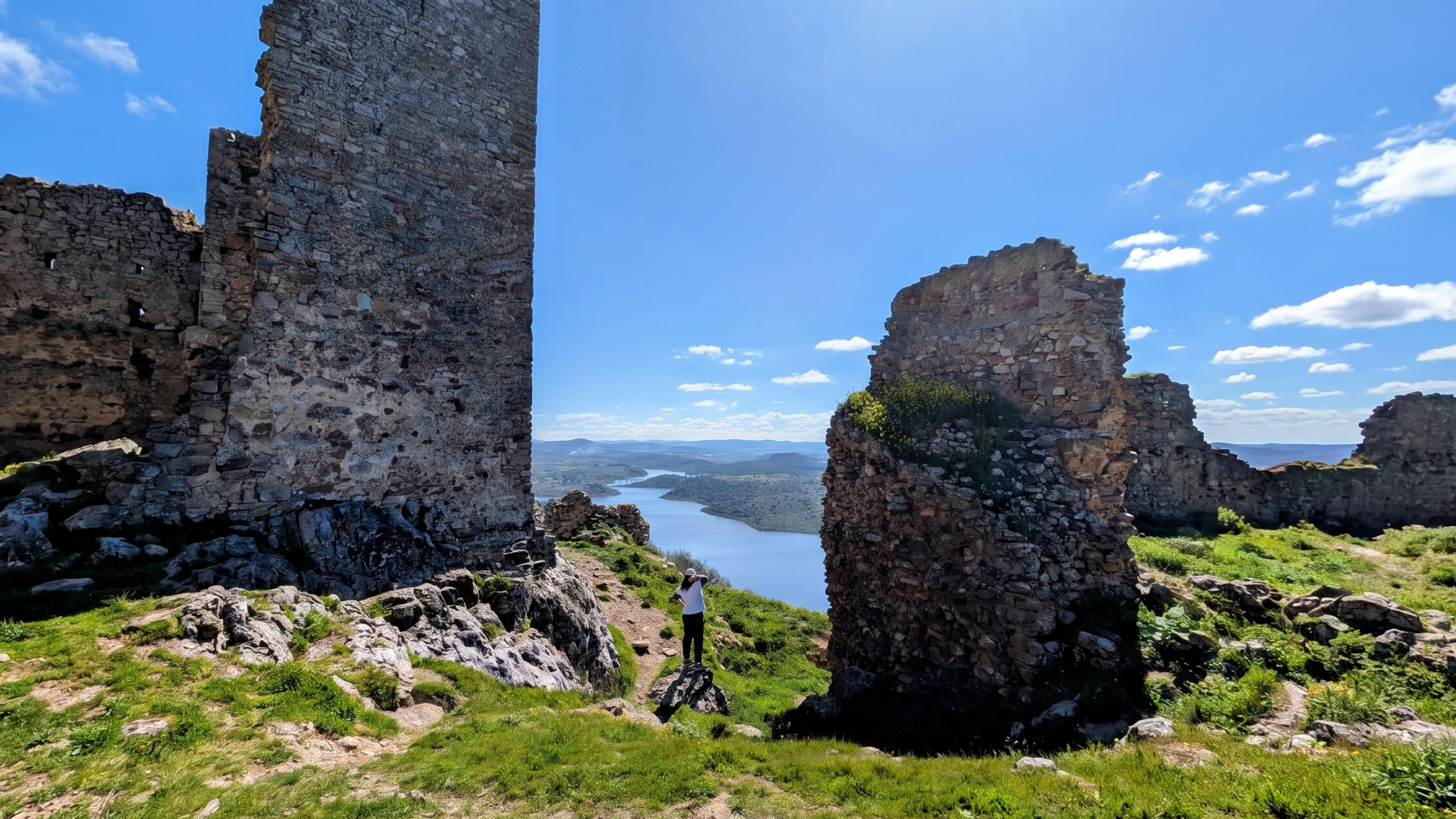
We are a company focused on rewriting fitness. We do it with product, with vision, and with a specific way of understanding movement. That is why it would make little sense to talk about healthy habits externally and not activate them internally. In our case, fitness is not just a category. It is a way of working. A way of relating to energy, consistency, and progress. This is where Odders Movement is born. Our first healthy challenge of the year was simple and effective: walking 8,000 steps a day. But simple sometimes does not mean small. That was precisely its strength. We did not propose a spectacular action or a one-time campaign. We proposed a habit, something measurable. Realistic. Shared. A practice that anyone could incorporate into their daily routine from their own context, with flexibility, but with a common direction. And that is the point. When an initiative is good, it stops feeling like an obligation and starts working as culture.
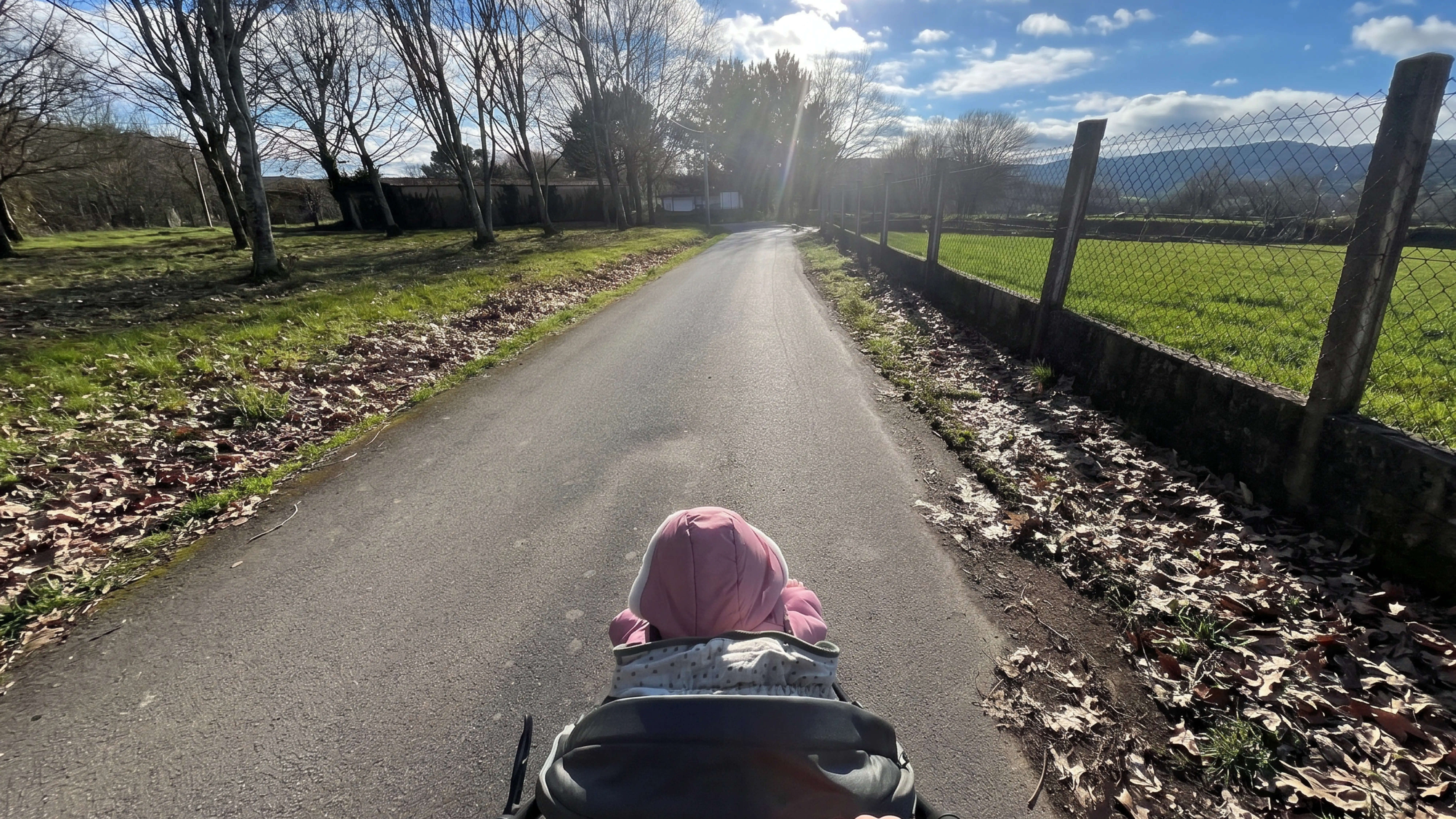
The 8,000 steps challenge did not seek to turn anyone into an athlete. It sought something more important: to introduce movement into the daily routine, to give a clear signal about what kind of company we want to be, and to bring our values into the realm of action. In an increasingly digital, sedentary, and fragmented work environment, creating shared dynamics around physical activity is also a way of reconnecting with the essential. Gallup has warned that global employee engagement fell again in 2024 and that this decline has a real economic cost. When companies improve the daily experience of people, they are not offering an extra, but reinforcing an essential condition for performing better.
At Odders, moreover, it takes on a special meaning. If you want to transform people's relationship with fitness, you also have to live that transformation within your own organization. Not for image, but for strategy. What happens internally and what you project externally cannot go separately: they have to move in the same direction.

Therefore, the impact of initiatives like Odders Movement goes beyond the challenge itself.
They serve to:
- Convert values into behavior
- Reinforce a more active culture
- Generate engagement without forcing it
- Create conversation between teams
- Make it visible that well-being is not an accessory benefit, but an essential part of how we understand work.
And above all, they serve to remind us of something basic: a strong culture is not imposed. It is trained. In our case, starting with 8,000 daily steps was a specific way to do it. To demonstrate that at Odders, we don't just talk about fitness as a product. We integrate it into our dynamics. We put it into practice. It is part of how we work and who we are.
Because when culture is real, it's not said. It is noticed. And it keeps us moving.
What we're exploring now
Ongoing insights across Odders innovation, culture and projects.
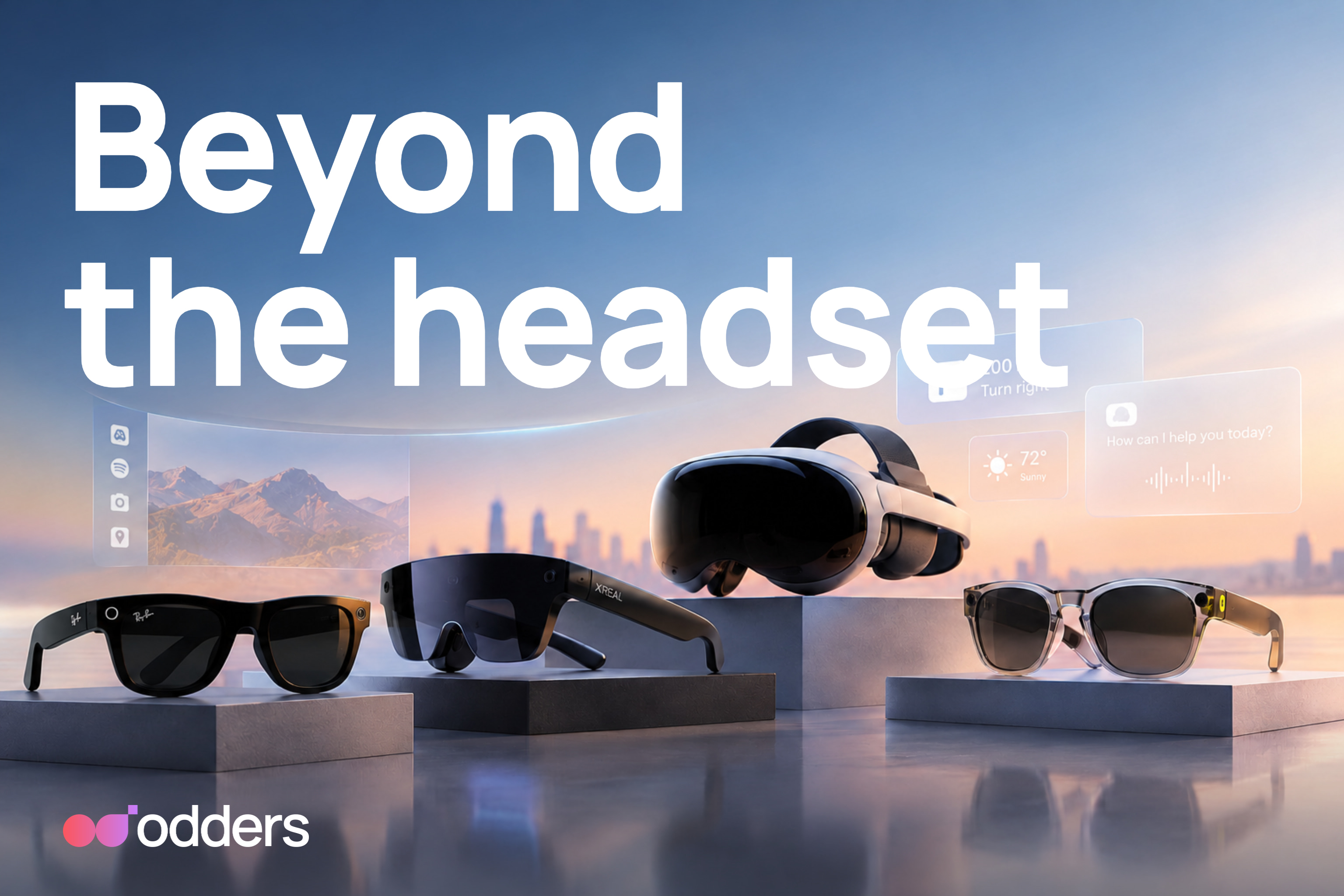
Beyond the Headset: The Next Chapter of XR Is Taking Shape
Something is shifting in XR. The industry is getting closer to making extended reality something we use every day—not just something we experience.
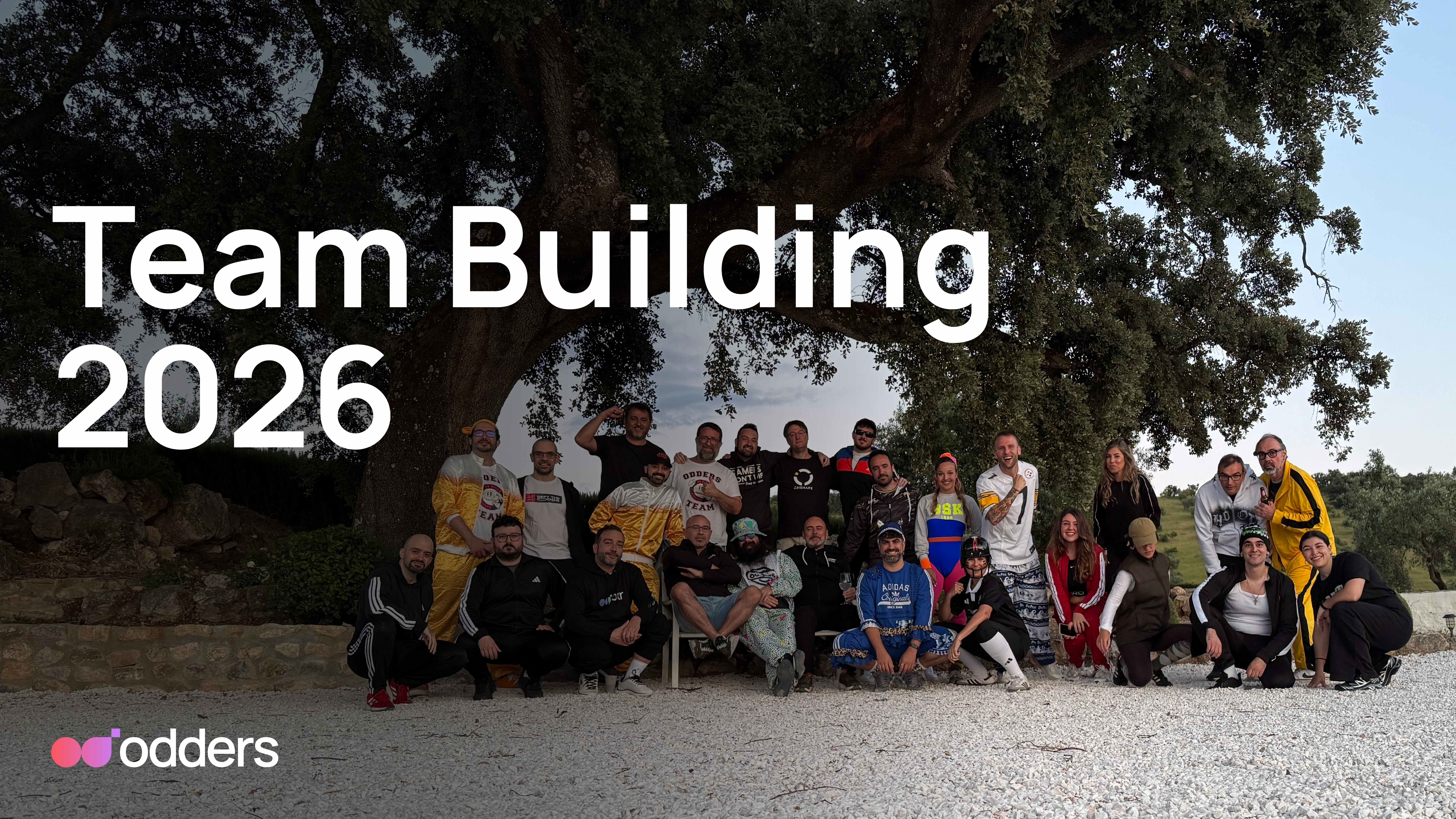
Culture Happens When People Come Together
What happens when a fully remote team leaves their screens behind? More than any agenda could have planned for.
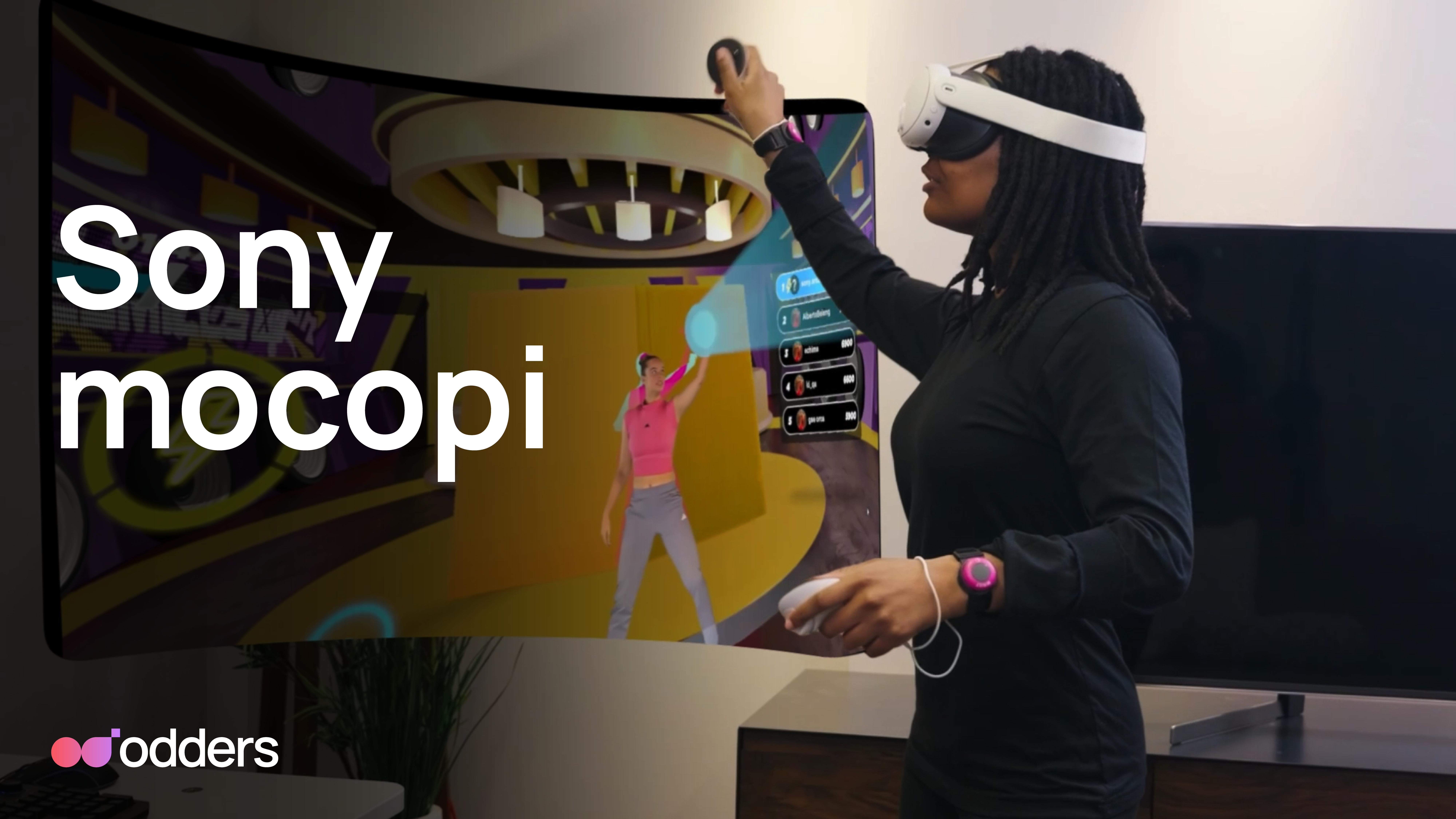
Sony x Odders: How we brought full-body tracking into LES MILLS XR DANCE
In collaboration with Sony, we integrated Sony mocopi into LES MILLS XR DANCE. Here's what it took, what it unlocked, and why it matters for the future of immersive training.