
Beyond the Headset: The Next Chapter of XR Is Taking Shape
Something is shifting in XR. The industry is getting closer to making extended reality something we use every day—not just something we experience.
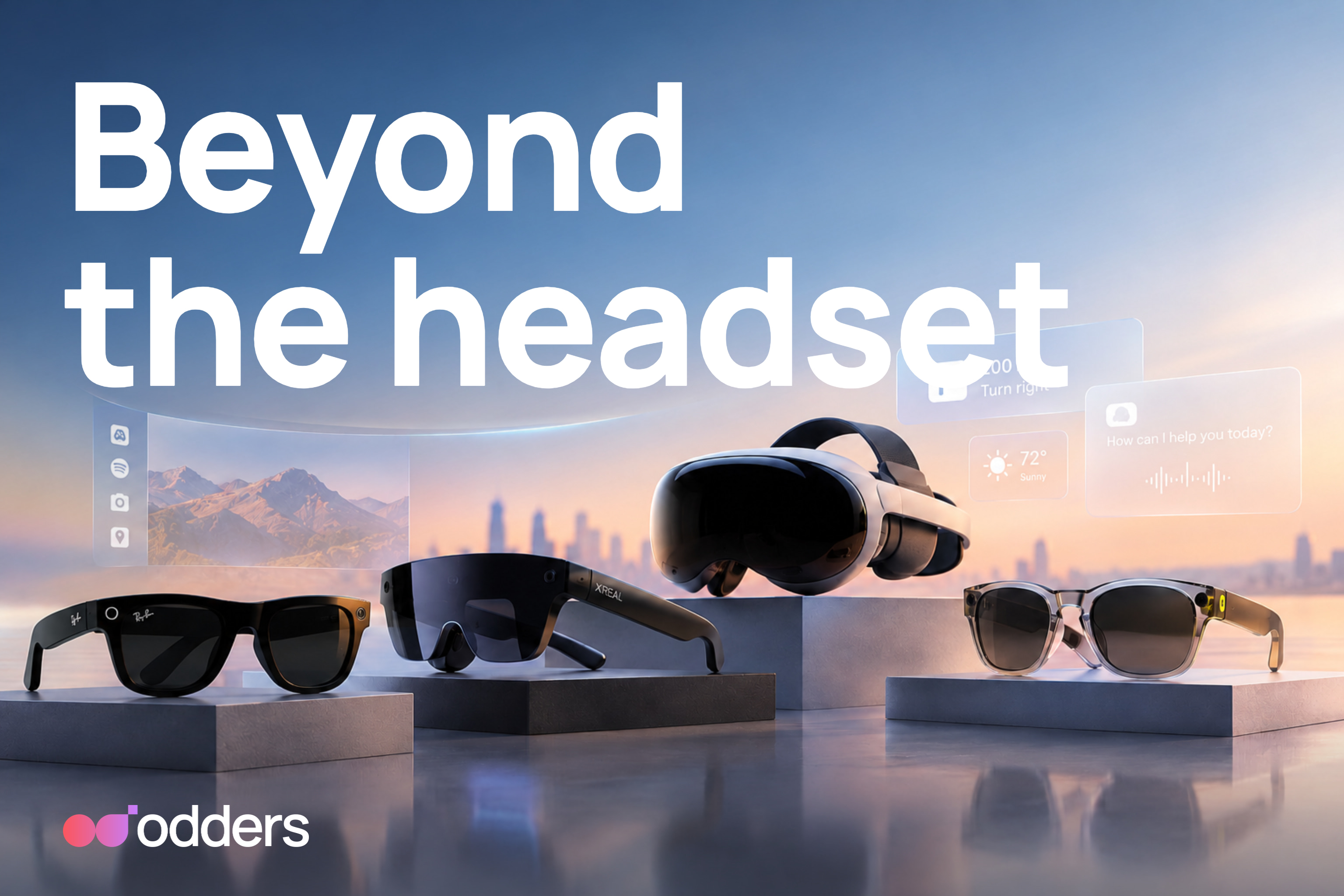
What will make the next generation of XR devices worth using every day?
Something is shifting in the XR industry.
After years of technological breakthroughs, ambitious prototypes, and the gradual evolution of immersive headsets, a new wave of devices is bringing a familiar ambition back into focus: making these technologies part of our everyday life. Meta, Samsung, Google, Snap, XREAL, and Apple are all exploring what comes next. Their approaches differ, from lightweight AI-powered glasses to more advanced spatial displays, but their direction points toward a common goal: bringing digital experiences closer to the real world.
What's different this time? The industry is getting closer to making XR something we use, not just something we experience.
The question is no longer just how much technology we can fit into a headset, or how immersive an experience can become. It's something more fundamental: What will make the next generation of XR devices worth using every day?
Different Devices, One Shared Ambition
The past few months have offered a glimpse of just how diverse the next generation of XR could become.
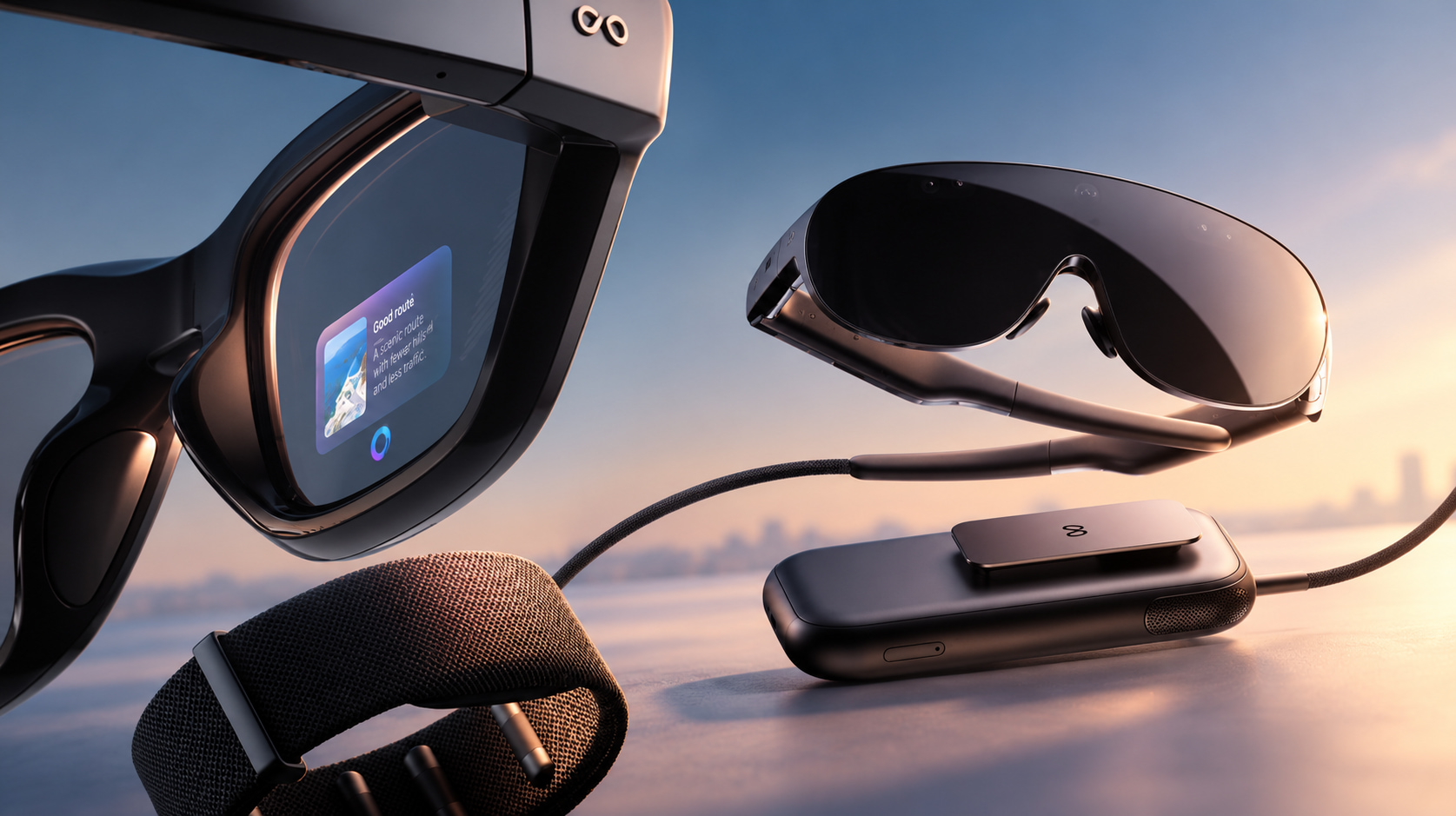
Meta Ray-Ban Display smartglasses at $799 and Meta VR Glasses presented at this year’s Meta Connect. Launch in spring 2027 at $1,299.
Meta continues to expand its ambitions across smart glasses, AI, and immersive computing. Its Ray-Ban Display represents an important step toward bringing visual information into a form factor designed for everyday use, while its exploration of more advanced VR glasses suggests that immersive experiences are also moving toward lighter, more wearable designs.
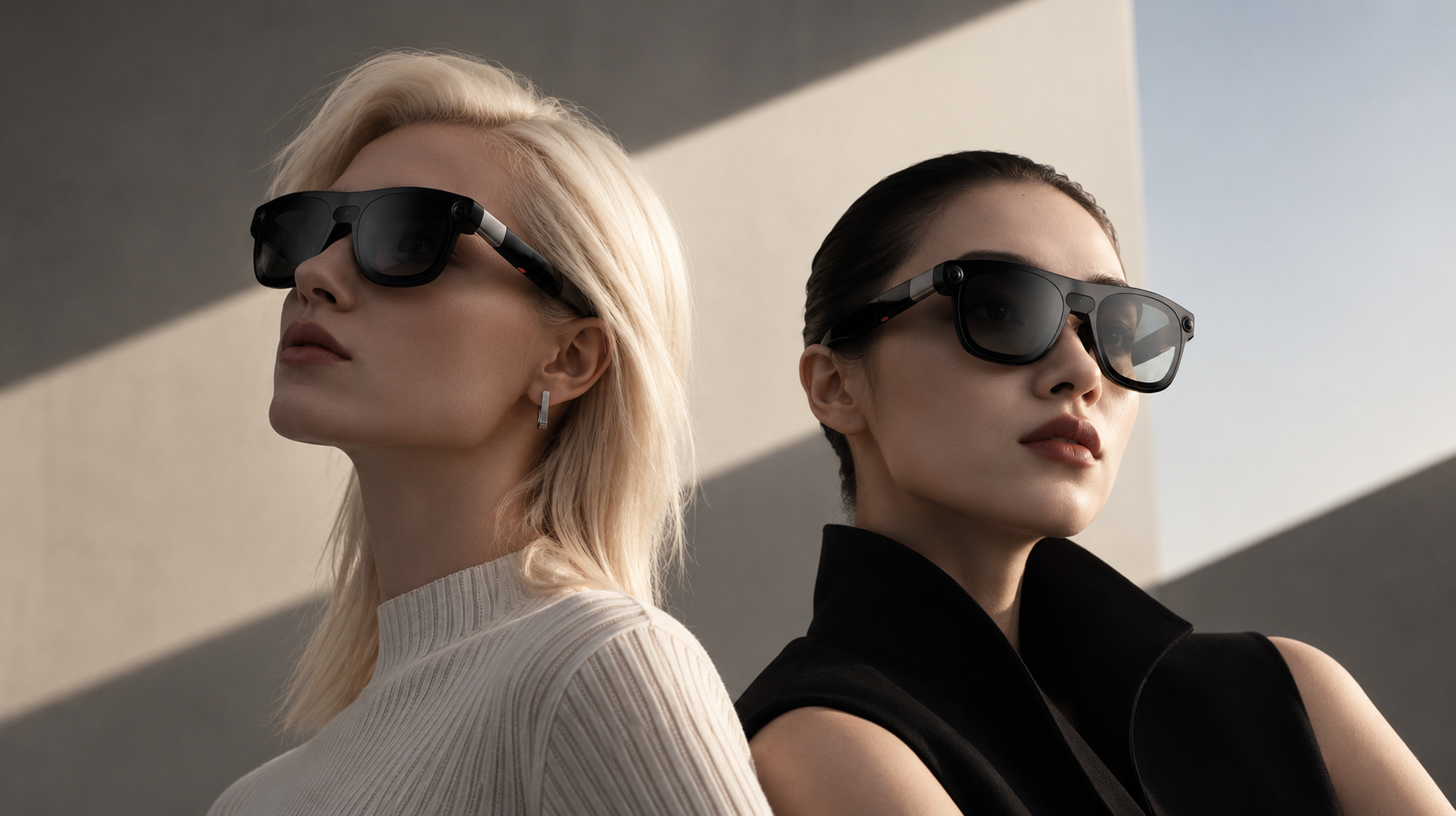
XREAL Aura, the Samsung and Google Android XR ecosystem, and Snap Specs.
Meanwhile, Google and Samsung are building momentum around Android XR, positioning it as an ecosystem for a new generation of devices. XREAL's upcoming Aura glasses offer another approach to spatial computing, while Snap is preparing to bring its Specs platform to a broader audience.
Different hardware architectures. Different approaches to displays, processing, and interaction. Different ideas about what people will actually want to wear. And that diversity matters.
For years, much of the conversation around XR has focused on whether one technology would eventually replace another. Would mixed reality replace virtual reality? Would smart glasses make headsets obsolete? But perhaps we're asking the wrong question.
We believe the next chapter of XR won't replace the previous one. It will expand it.
Fully immersive VR experiences will continue to have a place in gaming, fitness, training, and entertainment. Mixed reality will keep exploring the possibilities of blending physical and digital environments. And smart glasses could open up an entirely different category of experiences, designed to fit into moments when putting on a headset simply wouldn't make sense. The future of XR may not belong to a single device, but to an ecosystem of technologies serving different purposes.
From Immersion to Everyday Life
For much of its history, XR has been about taking people somewhere else. Virtual reality made it possible to step into entirely digital environments, explore impossible worlds, and experience things that physical reality could never offer. As technology evolved, mixed reality began bringing digital content into our surroundings. Now, smart glasses are pushing that evolution further. Instead of asking users to enter a digital experience, the ambition is increasingly to make digital experiences available wherever users already are.
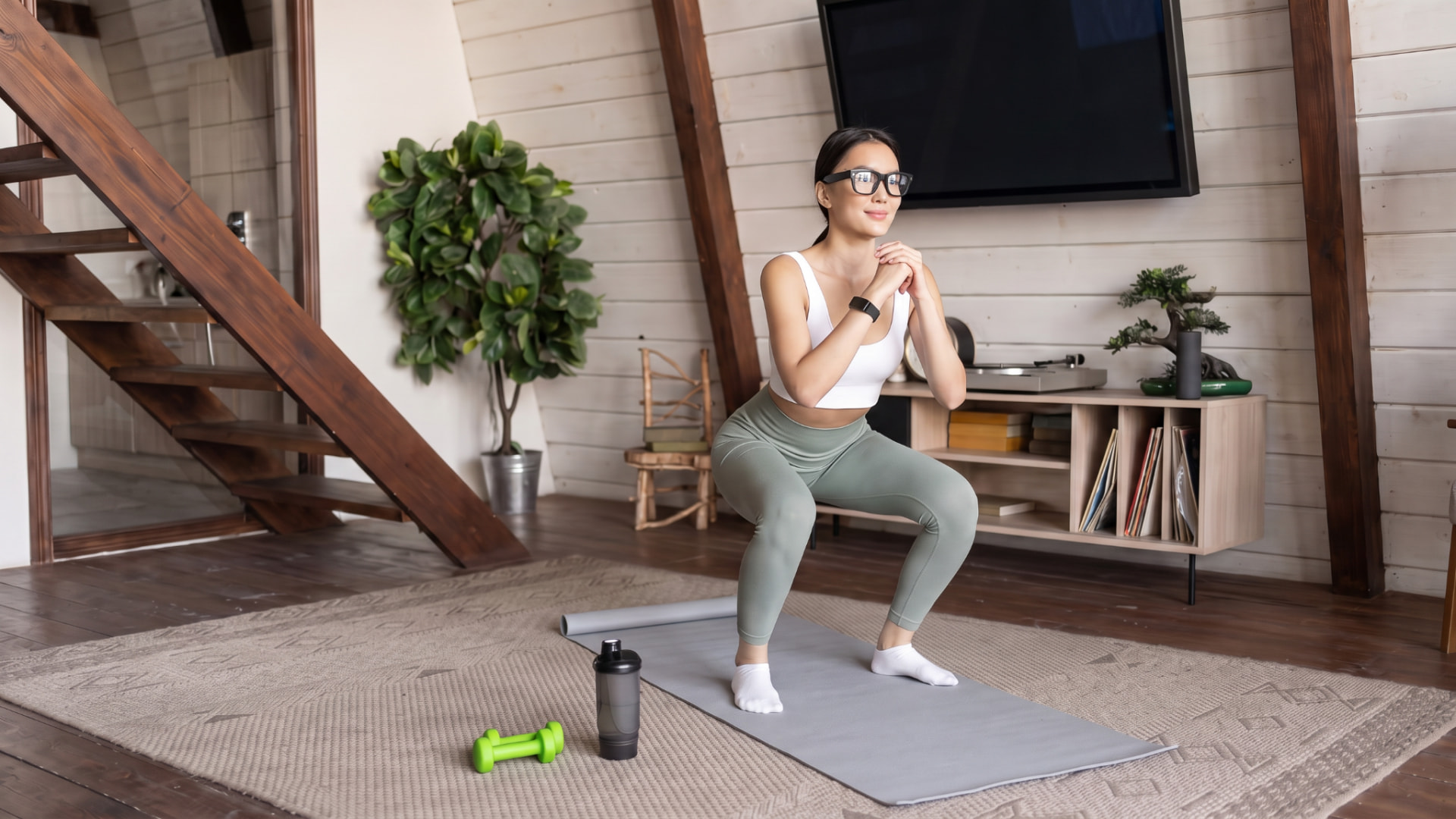
Think of navigation that appears when you need it. Workout information that doesn't require looking at a phone. Real-time assistance while performing a task. Or contextual information that becomes available without interrupting what you're doing. These may sound like relatively simple applications compared to the immersive worlds XR has traditionally promised. But their potential lies precisely in that simplicity.
Technology doesn't always need to create an extraordinary experience. Sometimes, its greatest value is making an ordinary experience better.
For Ana Molina, our CEO, this represents an important evolution in how the industry thinks about spatial computing.
“For years, XR has focused on taking people into digital worlds. Now we're seeing a new opportunity: bringing digital experiences into the world we already live in. The real potential is not just in creating new realities, but in making technology a natural and useful part of everyday life.”
— Ana Molina, CEO and Co-founder of Odders
This shift also brings new challenges. Designing for everyday life means designing for comfort, social acceptance, accessibility, and real-world conditions. A device that works beautifully in a controlled demonstration must also prove useful on a busy street, during a workout, or throughout an ordinary day. Technology needs to adapt to people's lives, not the other way around.
The Hardware Is Coming. Where Are the Killer Apps?
There's something exciting about watching an emerging technology take shape. Every new device brings better components, new interaction possibilities, and fresh opportunities for developers. Yet the history of consumer technology has repeatedly shown that technical innovation alone doesn't guarantee adoption. A product can be impressive without becoming indispensable. And as more companies enter the smart glasses market, this distinction will become increasingly important.
Hardware creates possibilities. Experiences create adoption.
The real challenge now is translating technical capabilities into products that solve meaningful problems. What can smart glasses do better than a smartphone? In which situations does hands-free interaction genuinely make a difference? When is a visual display necessary, and when would audio be more effective? These are product questions as much as technological ones.
For Jaime, our CSO, the next phase of XR will be shaped by the answers.
“New hardware opens up exciting possibilities, but the real challenge is turning those capabilities into experiences people actually want to use. The next big smartglasses success won't necessarily be the most technically impressive app. It will be the one that solves a real problem and makes sense in people's everyday lives.”
— Jaime Pichardo, CSO and Co-founder of Odders
Fitness and sports offer an interesting example.
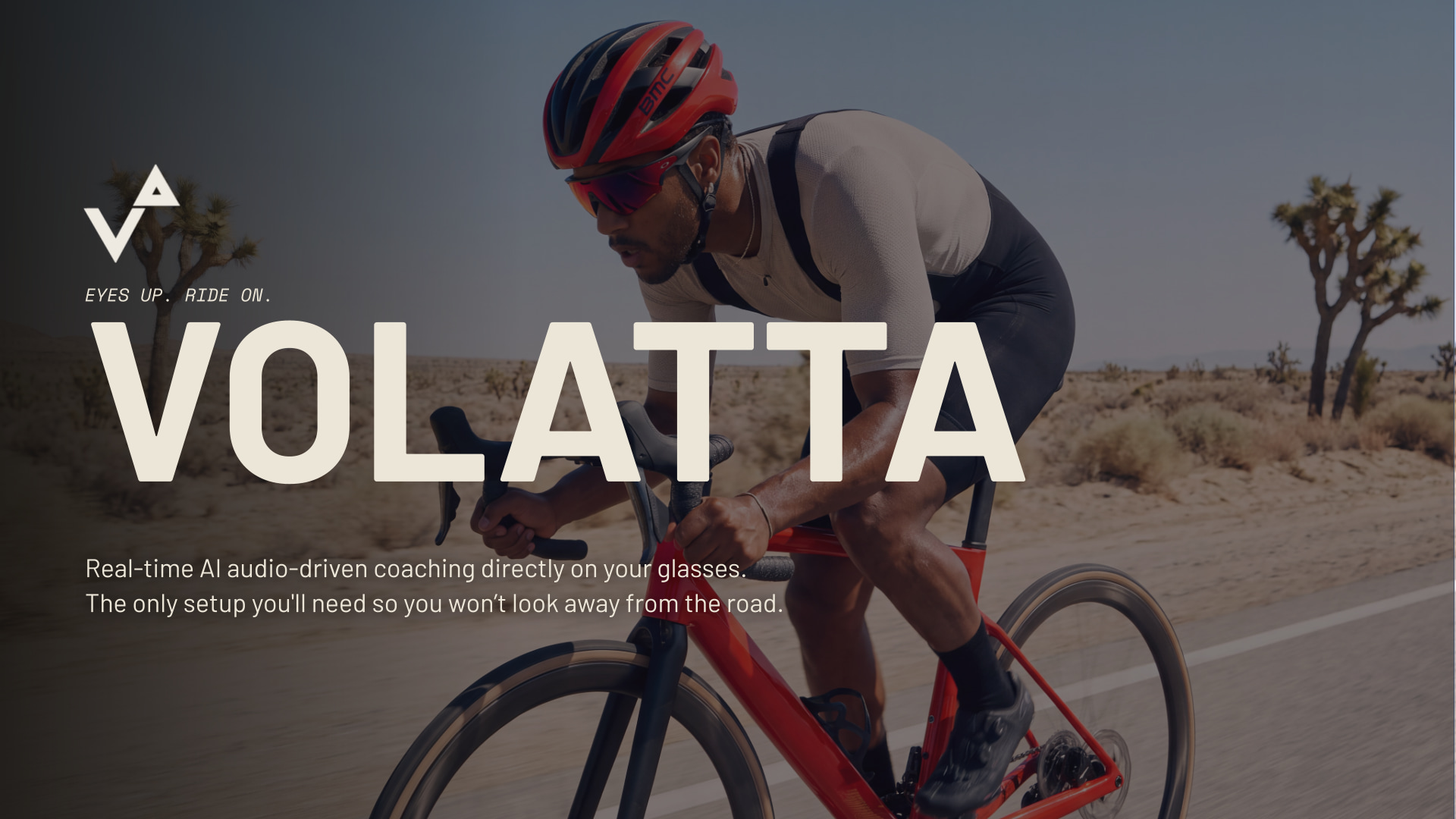
When you're cycling, running, or following a workout, interacting with a smartphone can be inconvenient, distracting, or simply impractical. Accessing relevant information through audio or a lightweight visual interface could make the experience more natural. The same principle applies to navigation, hands-free assistance, communication, and certain professional workflows. These are areas where new interfaces could offer a meaningful advantage over existing devices. But the industry will need to resist the temptation to build applications simply because the hardware makes them possible. The most valuable experiences may not be the most visually spectacular. They may be the ones that remove friction, save time, or help people accomplish something without having to think about the technology itself. And that requires a different development mindset: less focused on demonstrating features, and more focused on understanding behavior, context, and actual user needs.
Building What Comes Next
At Odders, we've had the opportunity to experience smartglasses evolution from the inside.
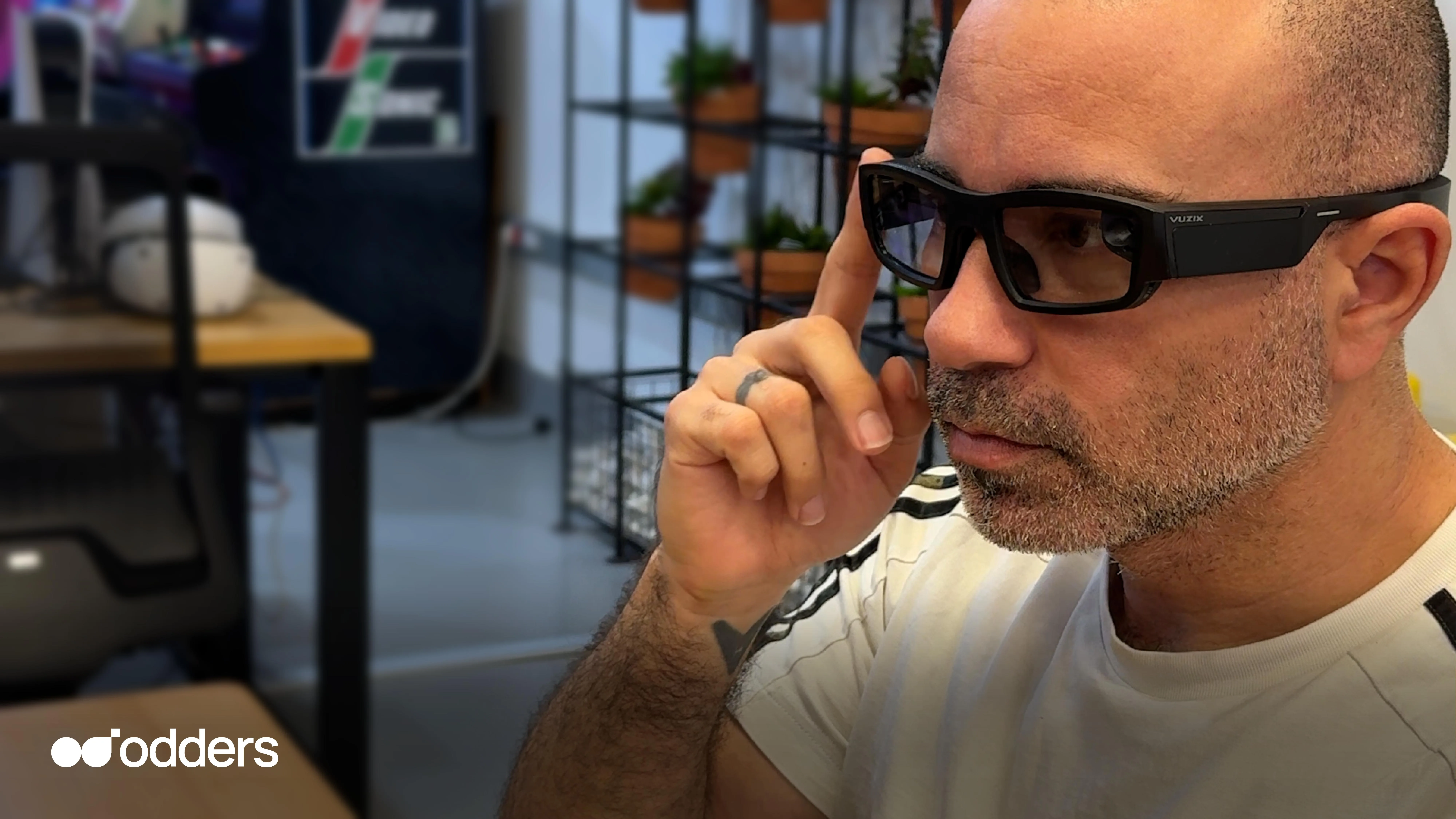
From the early days of virtual reality to today's mixed reality platforms, AI-powered experiences, and emerging smart glasses, we've seen how each technological leap opens up new possibilities, but also brings new questions. Of course, hardware is only part of the story. The convergence of XR and AI is opening up an entirely new set of possibilities, particularly around personal, contextual computing. It's a topic we'll explore in more depth in our next article.
Building products across gaming, fitness, and immersive experiences has taught us something important: the distance between what technology can do and what people actually want to use is often greater than it appears. Closing that gap is where product development becomes meaningful.
As XR expands beyond traditional headsets, we're exploring how our experience in immersive technology, interaction design, AI and real-world applications can translate into new types of products and experiences. Not because every experience needs to become spatial. Not because every interaction needs AI. And certainly not because every screen needs to move in front of our eyes. But because these technologies, when applied thoughtfully, can make certain experiences genuinely better.
The industry is still experimenting. We don't yet know which devices, interaction models, or ecosystems will ultimately succeed. And it's unlikely that one approach will work for everyone. What seems increasingly clear, however, is that XR is entering a phase where technological capability and everyday usefulness need to come much closer together.
The next chapter of XR won't be defined by a single device, platform, or technology. It will be shaped by the experiences that make all of them meaningful.
The hardware is taking shape. The possibilities are expanding. Now comes the most interesting part: building something people will actually want to use. And we couldn't ask for a better team to help make that happen.
What we're exploring now
Ongoing insights across Odders innovation, culture and projects.
Beyond the Headset: The Next Chapter of XR Is Taking Shape
Something is shifting in XR. The industry is getting closer to making extended reality something we use every day—not just something we experience.
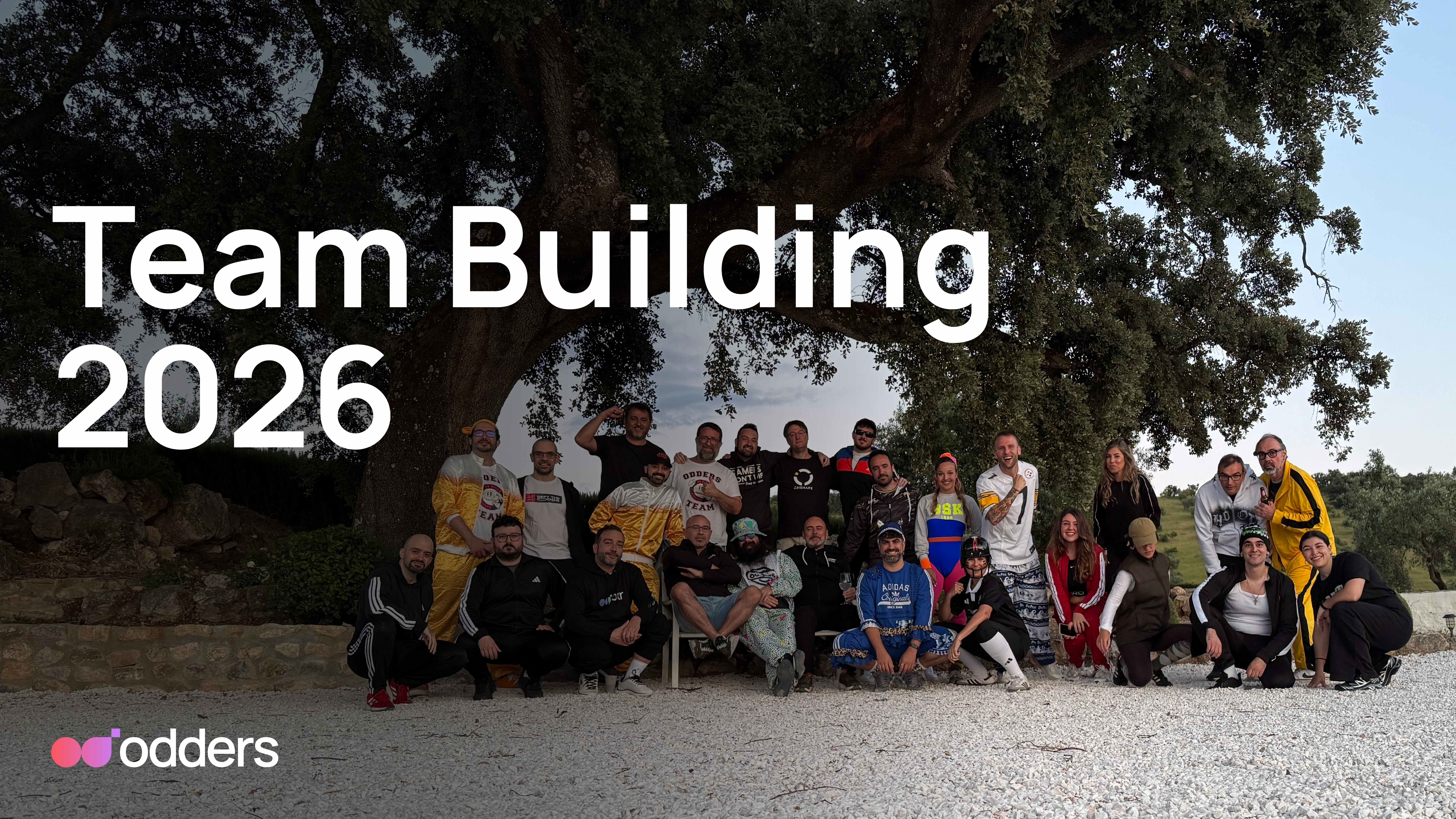
Culture Happens When People Come Together
What happens when a fully remote team leaves their screens behind? More than any agenda could have planned for.
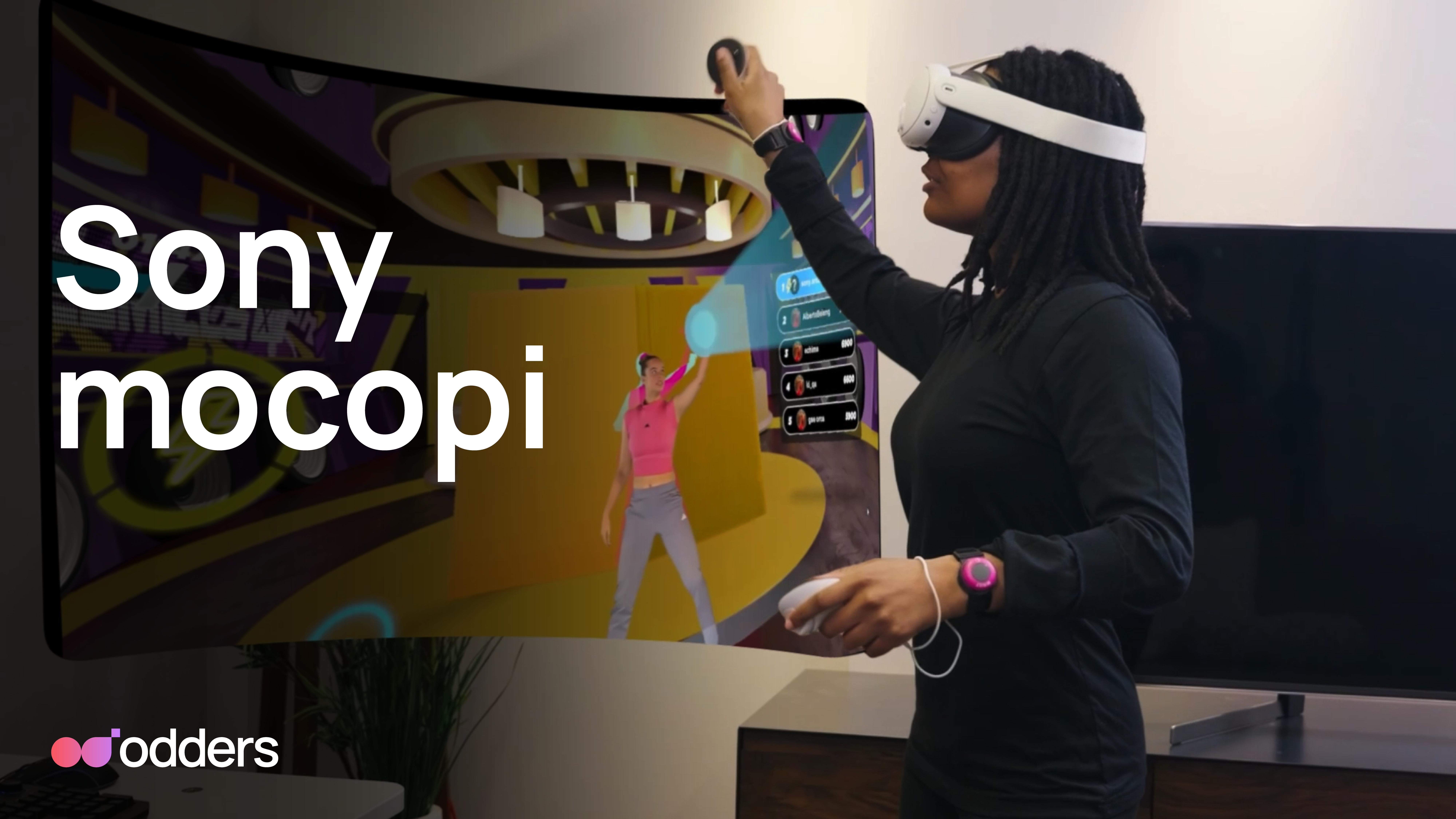
Sony x Odders: How we brought full-body tracking into LES MILLS XR DANCE
In collaboration with Sony, we integrated Sony mocopi into LES MILLS XR DANCE. Here's what it took, what it unlocked, and why it matters for the future of immersive training.